

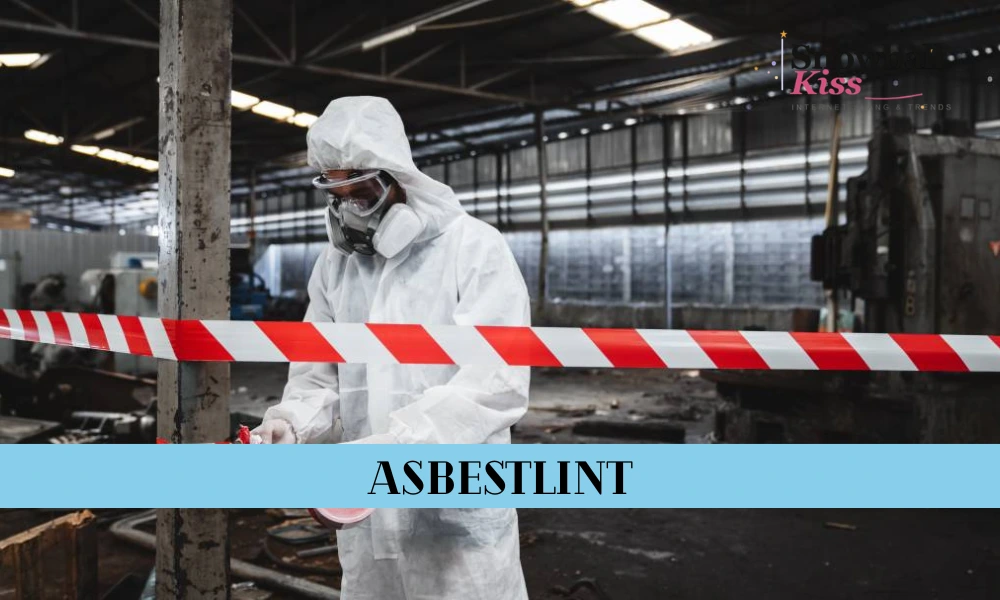
Asbestlint, or asbestos tape, may not be a household term for many, but its implications are significant. This seemingly innocuous material has been widely used in various applications due to its heat-resistant properties. However, as awareness of its risks grows, so does the need for homeowners to understand what it is and why it matters today.
Many homes built before the 1980s might still harbor this hazardous substance in hidden corners. From insulation to flooring and even roofing materials, asbestlint can pose serious health threats if disturbed. In this blog post, we’ll delve into the risks associated with asbestlint exposure, signs you should look out for in your home, and essential safety tips for handling it responsibly. Let’s explore how you can protect yourself and your family while navigating potential dangers lurking within your living space.
What Is Asbestlint and Why It Matters Today
Asbestlint is a type of asbestos tape, commonly used in construction and insulation due to its excellent heat resistance. Made from fibers that can easily become airborne, it poses serious health risks when damaged or improperly handled.
Although the use of asbestos has been heavily regulated since the late 20th century, many older homes still contain asbestlint in various applications. This makes awareness crucial for homeowners considering renovations or repairs.
The importance of understanding asbestlint lies in its potential dangers. Prolonged exposure can lead to severe respiratory issues, including mesothelioma and lung cancer. Recognizing what it is and where it might be found empowers individuals to take necessary precautions for their safety.
Where Asbestos Risks Appear in Real Life
Asbestlint can be found in various places within older homes. Common areas include attics, basements, and around heating systems. It may appear as insulation on pipes or ductwork.
Building materials also pose risks. Textured ceilings, floor tiles, and older roofing products often contain asbestos. Homeowners should be cautious when renovating these spaces.
Even some household items like toasters and hairdryers manufactured before the 1980s might contain asbestlint. Being aware of where it could exist is crucial for maintaining safety in your living environment. Regular inspections can help identify potential hazards before they become serious threats.
How to Detect and Handle Asbestos Safely
To detect asbestos, it’s crucial to recognize materials that may contain it. Homes built before the 1980s often have asbestos in insulation, flooring, and roofing. If you suspect its presence, avoid disturbing these materials.
When handling potential asbestlint, always wear protective gear such as masks and gloves. Limit exposure by avoiding any action that could release fibers into the air. Keep the area well-ventilated if you’re working nearby.
If you find or suspect significant amounts of asbestlint, do not attempt removal yourself. Instead, hire a certified asbestos abatement professional who follows safety protocols for testing and cleanup. This ensures proper handling and minimizes risk to your health and safety during renovations or repairs.
Asbestlint vs Traditional Awareness Methods
Asbestlint awareness has evolved significantly over the years. Traditional methods relied heavily on public campaigns, pamphlets, and general education in schools to inform people about asbestos dangers. While these approaches were beneficial, they often lacked targeted outreach.
Today’s strategies have shifted toward more specific communication channels. Online platforms and social media now play a vital role in spreading information quickly and effectively. This modern approach ensures that audiences receive timely updates regarding risks associated with asbestlint.
Furthermore, community workshops focusing on practical guidance for identifying and dealing with asbestlint are becoming increasingly popular. These hands-on sessions empower homeowners to take proactive steps rather than just relying on passive information dissemination from traditional methods.
Common Locations and Applications
Asbestlint is often found in older buildings, particularly those constructed before the 1980s. Common locations include attics, basements, and around ducts or pipes where insulation was applied.
In residential settings, it may also be hidden within wallboard, floor tiles, and ceiling textures. These materials were once popular due to their durability and fire-resistant properties.
Additionally, asbestlint can appear in various applications like roofing shingles and siding materials. Homeowners should be cautious if renovating or repairing older structures since disturbing these areas could release harmful fibers into the air. Awareness of these common locations is vital for maintaining a safe living environment.
The Health Risks of Asbestlint Exposure
Exposure to asbestlint can lead to serious health issues. Asbestos fibers, when inhaled or ingested, may cause lung damage. This often results in conditions like asbestosis, a chronic lung disease that leads to scarring of lung tissue.
More alarmingly, prolonged exposure significantly increases the risk of developing mesothelioma and other cancers. These diseases can take years or even decades to manifest after initial exposure. The latency period makes it difficult for individuals to connect their symptoms with past asbestos contact.
Additionally, secondhand exposure is a concern. Families living in homes with asbestlint may inhale fibers brought home on clothing or skin by workers involved in renovation projects. It’s crucial for everyone’s safety to recognize these risks associated with this hazardous material.
Identification: How to Spot Asbestlint
Identifying asbestlint can be challenging since it often blends with other materials. Inspect areas of your home built before the 1980s, especially around insulation or pipe coverings. The texture may appear fibrous or woven and can vary in color, typically gray, white, or brown.
Look for specific signs like frayed edges or a dusty appearance on surfaces. Asbestos fibers are microscopic and can become airborne if disturbed. If you notice any damage to old tiles, textured ceilings, or wall panels that seem worn out, exercise caution.
Never attempt to handle suspected asbestlint yourself. Instead, consult professionals who specialize in asbestos identification and testing to ensure safety during inspection processes.
The Legal and Safety Protocols for Removal
When it comes to removing asbestlint, strict legal and safety protocols are in place. Homeowners must first check local regulations regarding asbestos removal. Many areas require licensed professionals for any work involving asbestlint due to its hazardous nature.
Professionals typically follow guidelines established by the Environmental Protection Agency (EPA) or similar organizations. These include using proper personal protective equipment (PPE), such as respirators and disposable clothing, to minimize exposure during the removal process.
Before starting any demolition or renovation project, it’s crucial to conduct an inspection for asbestlint. If found, a detailed plan must be created outlining safe handling and disposal methods to ensure compliance with health and environmental regulations.
Encapsulation: An Alternative to Removal
Encapsulation is a viable alternative to asbestos removal, especially when dealing with Asbestlint. This method involves sealing the material to prevent fibers from becoming airborne. By applying special coatings or barriers, encapsulation can effectively trap harmful particles.
This approach is often less costly and disruptive than complete removal. It allows homeowners to maintain their property while minimizing health risks associated with exposure. Properly executed encapsulation can provide long-term safety if maintained well.
However, it’s crucial to assess whether encapsulation is suitable for your situation. Regular inspections are necessary to ensure that the seal remains intact over time. If signs of deterioration appear, re-evaluation may be needed for ongoing safety.
Safety Tips for Home Renovations
When planning home renovations, prioritize safety by assessing the materials in your space. If your home was built before the 1980s, it’s wise to check for asbestlint. Always wear appropriate personal protective equipment (PPE), including masks and gloves, to minimize exposure.
Before starting any work, seal off areas where renovations will take place. Use plastic sheeting and tape to prevent dust from spreading throughout the house. Ensure proper ventilation by opening windows or using air filters designed for asbestos particles.
Consider hiring professionals trained in handling asbestlint if you suspect its presence. They can safely assess and manage removal or encapsulation without compromising your health. Taking these steps will help create a safer environment during renovations.
Conclusion
Asbestlint poses significant risks to health and safety, especially in homes built before the 1990s. Recognizing its presence is crucial for homeowners and renovators alike. Awareness of where asbestos might be found can help prevent exposure.
Proper identification, safe handling, and adherence to legal protocols are essential steps when dealing with asbestlint. Whether you choose removal or encapsulation, understanding the implications of each method will guide your decisions effectively.
Taking proactive measures during home renovations ensures a safer environment. Always prioritize safety by engaging professionals when in doubt. By staying informed about asbestlint, you protect not just yourself but also those around you from potential harm.
FAQs
What is asbestlint?
Asbestlint refers to materials containing asbestos fibers used historically in construction and insulation. Its dangers arise when these fibers become airborne, posing serious health risks.
How do I know if my home has asbestlint?
Look for older building materials like insulation, flooring tiles, or roofing from before the 1980s. If you suspect its presence, consider hiring a professional for testing.
Is it safe to remove asbestlint myself?
No, removing asbestlint without proper training can be hazardous. Always consult licensed professionals who follow safety protocols during removal.
What should I do if I find asbestlint?
Avoid disturbing the material and contact an expert immediately. They will assess the situation and advise on whether encapsulation or removal is necessary.
Can encapsulation replace removal of asbestlint?
Yes! Encapsulation involves sealing off the asbestos-containing material instead of removing it entirely. This method can effectively minimize exposure risk while being less disruptive.
You May Also See: Snowballkiss