
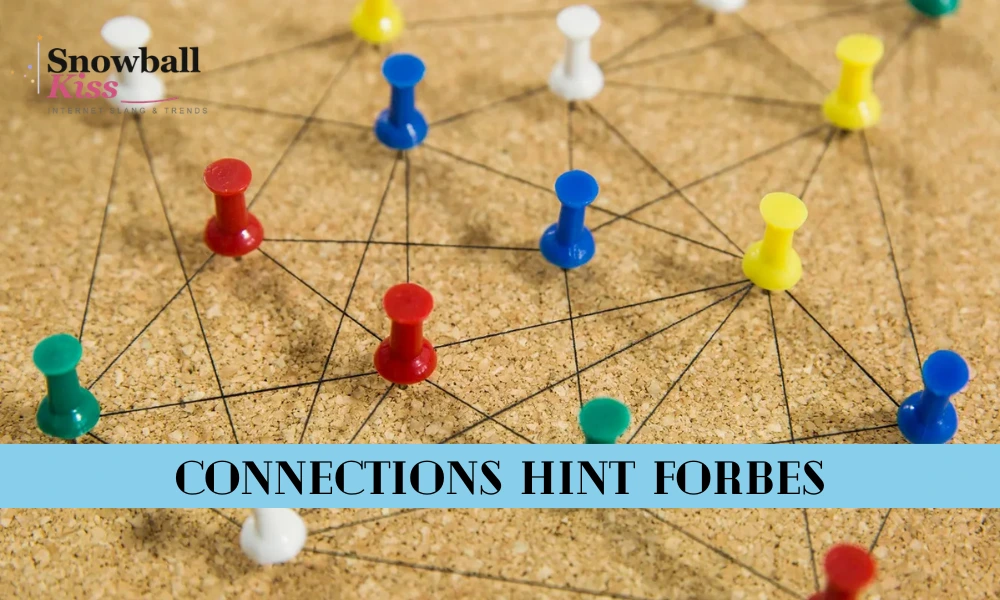
Connections has become a daily brain workout for people who enjoy word games, logic, and clever patterns. The puzzle asks players to sort 16 words into four groups of four, but the links can feel simple one day and surprisingly tricky the next. That is why many players search for Connections Hint Forbes before giving up completely. A good hint guide helps you move forward without ruining the fun, especially when one category feels obvious but another hides behind wordplay, slang, or pop culture.
What Is the Connections Puzzle?
Connections is a daily word game that gives players a grid of 16 words. The goal looks simple at first: find four groups of four words that share a common link. However, the game often uses double meanings, similar-sounding words, hidden phrases, and cultural references to mislead players. One group may involve common objects, while another may depend on a phrase ending, brand name, idiom, or niche reference. This mix keeps the puzzle fresh and makes each day feel different.
The color system also makes the game easier to understand. Yellow usually represents the most straightforward group, while green, blue, and purple move toward more difficult or abstract connections. Word.Tips explains this color flow as a way to separate easier clues from the hardest ones, with purple often creating the biggest challenge. Because of that structure, many players try to solve yellow first, then use the remaining words to uncover the harder categories.
Why Players Look for Daily Hints
Many players do not want the answer right away. They want a small push that helps them protect their streak and still feel satisfied when they solve the board. A clue can point toward the category without giving away every word. For example, a hint might say “types of sandwiches” instead of listing the four sandwich names. That balance matters because the joy of Connections comes from the moment when the pattern finally clicks.
Daily hint pages also save time. People often play during breakfast, a work break, or before bed, so they may not want to stare at the same grid for 30 minutes. NME’s daily Connections guide, for example, separates hints, groups, and answers so readers can stop at the level of help they need. That layered format works well because it respects both casual players and serious puzzle fans.
How Connections Hint Forbes Helps Without Spoiling the Game
A strong Connections Hint Forbes guide should help players think better, not simply hand them the answer. The best format starts with light clues, then moves toward stronger guidance. It may first describe the theme, then reveal category names, and only later show the full solution. This approach gives readers control. They can choose a gentle nudge or jump to the final answer if they feel completely stuck.
A useful Connections Hint Forbes page also explains why a group works. That short explanation helps players learn from the puzzle instead of treating it like a one-time problem. If a purple category depends on words that follow the same hidden phrase, readers should understand the trick. Over time, that knowledge improves pattern recognition. Players start looking for prefixes, suffixes, homophones, synonyms, and phrase fragments before they burn guesses.
Common Types of Connections Categories
Connections often uses familiar category types, so players can improve by learning the most common patterns. Synonyms appear often because they test vocabulary in a clean way. A group may contain four words that all mean “fast,” “angry,” or “fake.” Other boards use objects that belong in the same place, such as kitchen tools, sports terms, clothing items, or school supplies. These categories usually feel easier because the link appears in everyday language.
The harder categories often rely on word structure. A puzzle may group words that share the same prefix, follow the same word, sound like letters, or hide smaller words inside longer ones. Trendlyx also notes common patterns such as homophones, pop culture references, word endings, and functional groups. When you understand these patterns, you stop looking only at literal meanings and start reading each word as a flexible clue.
Smart Strategy Before Checking a Hint
Start by scanning the grid for the most obvious four-word group. Do not submit too quickly, though. Connections often places tempting trap words near real answers. Before you guess, ask whether all four words share the same type of relationship. If three words feel perfect and one feels forced, pause. The game rewards careful comparison, and one rushed guess can make the rest of the board harder.
Next, use elimination. Once you feel confident about one group, mentally remove those words and study what remains. The leftover words often reveal smaller patterns because the noise disappears. You can also shuffle the words on the board or write them down in separate clusters. This small change helps your brain stop reading the list in the same order. Many players solve difficult groups only after they break the visual pattern.
When to Use Clues, Groups, and Answers
Use a clue when you still want to solve the puzzle yourself. A clue gives direction without removing the challenge. For example, “movie titles without one letter” can push you toward the right idea while still making you identify the four words. This level works best when you feel close but cannot name the category. It keeps the reward intact because you still complete the final step.
Use the group name when a clue does not help enough. A group name reveals the theme more clearly, but it may still leave the words hidden. Finally, use the full answer when you have run out of guesses or want to learn what you missed. Forbes-style daily pages often attract readers because they serve all three needs: light help, clear categories, and final confirmation for players who want closure.
Mistakes That Make Connections Harder
The biggest mistake involves trusting the first pattern you notice. Connections often includes words that seem related but belong to different groups. For example, four words may all look like food terms, but one may actually belong to a phrase-based category. NME highlights this kind of misdirection by reminding players to think beyond literal meanings and look for subtle patterns. That habit can prevent several wrong guesses.
Another mistake involves overthinking every category. Sometimes the yellow group really is simple. If four words clearly fit a basic theme, do not reject the idea just because the puzzle usually feels tricky. Good solving requires balance. You need enough skepticism to avoid traps, but enough confidence to take the clear win. When players swing too far in either direction, they either rush into mistakes or talk themselves out of correct groups.
Why Connections Stays Popular With U.S. Players
Connections fits modern reading habits because it feels quick, social, and mentally rewarding. Players can finish a board in a few minutes, compare results with friends, and return the next day for a fresh challenge. NYU notes that the game joined The New York Times Games collection in 2023 and developed a strong following among English-speaking players. That daily rhythm helps the puzzle become part of people’s routines.
The game also appeals to different skill sets. A vocabulary lover may catch synonym groups quickly, while a trivia fan may spot pop culture links. A careful reader may notice word endings, while a lateral thinker may solve purple categories faster. This variety keeps the game from feeling repetitive. Even when a player loses, the answer often feels interesting enough to make them come back the next day.
How to Build a Better Daily Solving Routine
A good routine starts with patience. First, read every word once without touching the board. Then circle or mentally group any obvious sets. After that, test each possible group by asking whether the connection applies equally to all four words. If the answer feels uneven, leave it alone and move to another cluster. This process reduces random guessing and makes each submission more deliberate.
After finishing the puzzle, review the groups you missed. This step matters more than most players realize. You may discover that you ignored a second meaning, missed a phrase pattern, or focused too heavily on one category type. Over time, that review builds a mental library of puzzle tricks. The next time a similar pattern appears, you will recognize it faster and use fewer hints.
FAQs
What is Connections Hint Forbes?
Connections Hint Forbes refers to daily help pages that readers search for when they want clues, categories, or answers for the NYT Connections puzzle. These pages usually guide players without forcing them to see spoilers immediately.
Is Connections a New York Times game?
Yes. Connections is part of The New York Times Games collection. NYU describes it as a word game where players take 16 words and find common threads between four groups of four.
Should I read hints before trying the puzzle?
It is better to try the puzzle first. After you make some progress, use a hint only when you feel stuck. This keeps the challenge fun and helps you improve naturally.
What is the hardest Connections color?
Purple usually creates the biggest challenge because it often uses wordplay, hidden phrases, or less obvious associations. Yellow usually feels the easiest, while green and blue sit in the middle.
Do hints make me better at Connections?
Yes, hints can improve your solving skills when you use them correctly. Instead of copying answers, study why each clue works. That habit helps you recognize future patterns faster.
Conclusion
Connections Hint Forbes gives puzzle fans a practical way to enjoy the daily game without losing the excitement of solving it. The best hint guides offer light clues first, reveal category names only when needed, and save full answers for the end. Connections stays popular because it blends vocabulary, logic, memory, culture, and wordplay in a quick daily format. When you use hints wisely and review your mistakes, each puzzle becomes more than a game. It becomes a simple daily exercise for sharper thinking.
You May Also See: Snowballkiss