

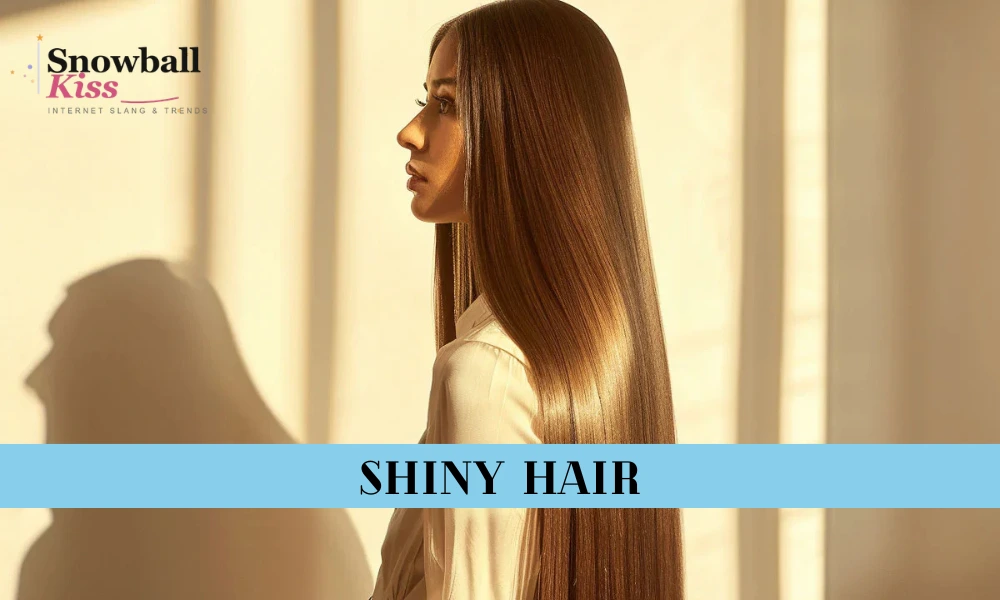
Everyone wants hair that looks fresh, smooth, and full of life. Shiny Hair often feels like a sign of good care, but it does not always require expensive salon treatments. The right routine can make a big difference, especially when you focus on moisture, gentle washing, scalp health, and heat protection. Daily habits, product buildup, dry weather, and styling tools can dull your strands over time. With simple changes, you can bring back a soft, glossy look while keeping your hair healthy and easy to manage.
What Makes Shiny Hair Look Healthy?
Shiny Hair looks bright because smooth strands reflect light more evenly. When the outer layer of the hair, called the cuticle, lies flat, hair appears softer and glossier. However, when the cuticle becomes rough from heat, dryness, chemical treatments, or harsh washing, light scatters instead of reflecting cleanly. This makes hair look dull, frizzy, or tired. Healthy-looking shine starts with protecting that outer layer and keeping each strand balanced with moisture, strength, and gentle care.
Why Hair Loses Its Natural Gloss
Hair often loses shine because of small daily habits. Hot water, frequent heat styling, rough towel drying, and heavy product use can all make strands look flat or dry. Pollution, hard water, and leftover styling products can also coat the hair and block its natural glow. Even healthy hair can look dull when buildup sits on the surface. That is why a shine-focused routine should clean the hair without stripping it and add moisture without making it greasy or heavy.
Build a Simple Shiny Hair Routine
A good routine does not need too many steps. Start with a shampoo and conditioner that match your hair type. Fine hair usually needs lightweight moisture, while thick or curly Shiny Hair may need richer formulas. After washing, use a leave-in conditioner or serum to smooth the surface and reduce frizz. Once a week, add a mask or deep conditioner for extra softness. This consistent approach helps your hair stay manageable, polished, and healthier-looking over time.
Keep Your Routine Consistent
Consistency matters more than using many products at once. When you switch products too often, your hair may feel unbalanced or weighed down. Instead, choose a few reliable basics and give them time to work. Wash as needed, condition every wash day, and protect your strands before styling. If your hair feels greasy quickly, use lighter products. If it feels rough or dry, add more hydration. A balanced routine creates better shine without making hair feel coated.
Wash and Condition the Right Way
The way you wash your hair can affect shine more than you think. Use lukewarm water instead of hot water because high heat can make hair feel dry. Focus shampoo on the scalp, where oil and buildup collect, then let the rinse clean the lengths. Apply conditioner from mid-length to ends, where Shiny Hair usually needs the most softness. This method cleans the roots while protecting the older, more fragile parts of your hair.
Try a Cool Final Rinse
A cool final rinse can help your hair feel smoother after washing. You do not need freezing water; simply lower the temperature for the last few seconds. This step may help the cuticle lie flatter, which can make hair look sleeker once it dries. After rinsing, avoid rubbing your hair with a towel. Instead, gently squeeze out extra water with a microfiber towel or soft cotton shirt to reduce frizz and breakage.
Remove Buildup Without Drying Your Hair
Product buildup can make even clean hair look dull. Styling creams, dry shampoo, oils, hairspray, and mineral deposits can sit on the strands and reduce shine. A clarifying shampoo once or twice a month can refresh the hair and scalp. If you use heavy styling products often, you may need it weekly. However, avoid overusing clarifying formulas because they can make hair feel dry. Always follow with conditioner or a moisturizing mask.
Choose Products That Fit Your Hair Type
The best product depends on your texture, thickness, and styling habits. Fine Shiny Hair often looks better with lightweight conditioners, sprays, and serums. Thick, curly, or coily hair may need richer creams, masks, and oils to stay soft. Color-treated hair needs gentle formulas that help protect vibrancy. When products match your hair type, they support shine instead of weighing strands down. This makes Shiny Hair easier to maintain without a greasy or flat finish.
Add Moisture for Smoothness and Shine
Dry hair rarely looks glossy because it lacks softness and flexibility. Moisture helps smooth rough strands and makes hair easier to style. Use a deep conditioner or hair mask once a week if your hair feels dry, frizzy, or brittle. Look for ingredients such as aloe, glycerin, panthenol, shea butter, argan oil, or jojoba oil, depending on your hair needs. After conditioning, rinse well so your hair feels soft but not heavy.
Seal the Ends Lightly
The ends of your hair need extra care because they are the oldest part of each strand. A small amount of lightweight oil or serum can smooth the ends and add a polished finish. Apply it after styling or while Shiny Hair is damp, depending on the product directions. Start with a tiny amount, especially if your hair is fine. Too much oil can reduce volume, but the right amount can create a clean, healthy shine.
Protect Hair From Heat and Damage
Heat styling can make hair look sleek in the moment, but too much heat can weaken the cuticle and reduce long-term shine. Use a heat protectant before blow-drying, curling, or straightening. Lower the temperature when possible, and avoid holding hot tools on one section for too long. Let your hair air-dry partway before blow-drying to reduce heat exposure. These small steps protect smoothness and help Shiny Hair last beyond one styling day.
Trim Split Ends Regularly
Split ends can travel up the strand and make hair look rough, even when the rest of your routine works well. Regular trims remove dry, uneven ends and help hair look cleaner and fuller. You do not need a major haircut every time. A small trim every few months can improve shape and movement. When the ends look healthy, light reflects better, and your hair appears smoother from roots to tips.
Support Shine From the Scalp
Healthy-looking hair starts at the scalp. When the scalp has too much buildup, oil, or dryness, the hair may look flat or dull. Massage your scalp gently with your fingertips while shampooing to loosen buildup and support circulation. Avoid scratching with your nails because that can irritate the skin. If you use dry shampoo often, make sure you wash it out properly. A clean, balanced scalp gives your hair a better foundation for shine.
Eat for Better Hair Health
Your diet can also support stronger, smoother-looking hair. Protein, healthy fats, iron, zinc, and vitamins all play a role in normal hair growth and condition. Add foods such as eggs, salmon, nuts, avocado, beans, leafy greens, and Greek yogurt when they fit your diet. Water also helps your body function well, including your scalp and skin. Food will not create instant shine overnight, but good nutrition supports healthier hair over time.
Style Hair for a Glossy Finish
Styling techniques can help your hair look more polished. Blow-dry downward to smooth the cuticle, and use a brush that suits your hair type. A wide-tooth comb works well for wet hair because it reduces pulling. A boar-bristle or mixed-bristle brush can help distribute natural oils on straight or wavy hair. For curls, use curl cream or leave-in conditioner to define shape and reduce frizz. The goal is smoothness, not stiffness.
Avoid Heavy Layers of Product
Many people use too many products when they want to shine. Heavy layers of cream, oil, spray, and serum can make hair look greasy instead of glossy. Start with one shine product and apply it lightly. Add more only if your hair still needs it. Also, wash styling tools and brushes regularly because residue can transfer back onto clean hair. A simple, clean finish often looks more natural and more expensive than an overloaded style.
FAQs
How can I make my hair shiny fast?
Use a lightweight serum or hair oil on the ends, smooth frizz with a brush, and finish with a cool blow-dry setting. This can add quick shine without changing your whole routine.
How often should I use a hair mask?
Most people can use a hair mask once a week. If your hair is very fine, use a lighter mask or apply it only to the ends.
Can dull hair become shiny again?
Yes, dull hair can look better with gentle cleansing, moisture, heat protection, trims, and the right styling products. Damaged hair may need more time and care.
Is cold water good for shiny hair?
A cool final rinse can help hair feel smoother and reduce frizz. You do not need ice-cold water; slightly cool water is enough.
Which oil is best for shine?
Argan oil, jojoba oil, and lightweight hair oils work well for many hair types. Use a small amount to avoid a greasy look.
Conclusion
Shiny Hair comes from healthy habits, not one magic product. When you cleanse buildup, condition properly, protect against heat, care for your scalp, and trim dry ends, your hair starts to look smoother and brighter. The key is choosing products that match your hair type and using them consistently. Small changes, such as a cool rinse, weekly mask, or lighter styling oil, can make a visible difference. With the right care, smooth and healthy-looking hair becomes much easier to maintain every day.
You May Also See: Snowballkiss