
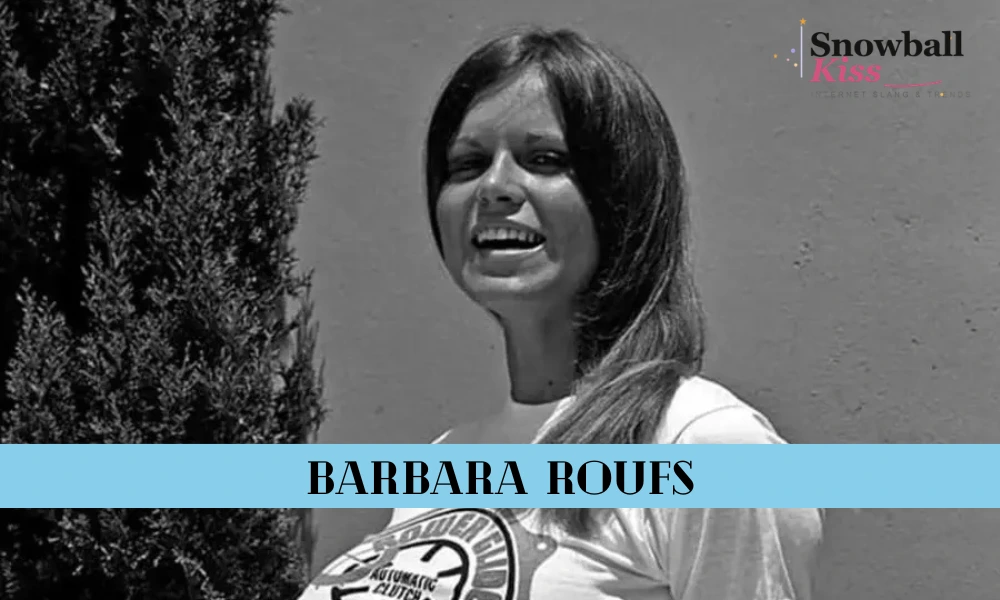
Barbara Roufs remains one of the most remembered faces from the golden era of American drag racing. She became known in the late 1960s and early 1970s as a trophy girl, model, and motorsports personality who brought charm, confidence, and style to racing events. Although she was not a driver, her presence helped shape the public image of drag racing during a colorful period in Southern California car culture. Her story includes fame, family, vintage photography, and a legacy that still interests motorsports fans today.
Quick Barbara Roufs
| Field | Details |
| Full Name | Barbara Jean “Heather” Brown Riley Roufs |
| Popular Name | Barbara Roufs |
| Profession | Drag racing trophy girl, model, motorsports personality |
| Known For | Being one of the most recognizable trophy girls of 1970s drag racing |
| Date of Birth | July 22, 1943; some online profiles list 1944 |
| Birthplace | Clovis, California, United States |
| Nationality | American |
| Parents | Wayne Eldon Riley and Thelma Ruby Riley |
| Siblings | Vivian Deaton, James Riley, Bruce Riley, and adopted brother Ben Gube |
| Career Era | Late 1960s to early 1970s |
| Major Recognition | 1973 Professional Dragster Association Queen |
| Associated Event | 6th Annual U.S. Professional Dragster Championship at Orange County International Raceway |
| Daughter | Jet Dougherty, according to several published reports |
| Date of Death | January 25, 1991 |
| Age at Death | 47 years old |
| Resting Place | Clovis Cemetery, Clovis, Fresno County, California |
| Legacy | Remembered as an iconic figure in vintage drag racing culture |
Barbara Roufs Early Life and Family Background
California Roots
Barbara grew up in California at a time when car culture had a strong place in local life. Southern California offered a lively mix of drag strips, custom cars, motorcycles, and weekend racing events. This environment helped shape her interest in motorsports before she became a familiar public face. Her background connected her to the same culture that later made her famous, and it gave her a natural place within the racing community.
Her family also played an important role in shaping her personality. Her father, Wayne Eldon Riley, had a strong interest in motorcycles and racing, while her mother, Thelma Ruby Riley, worked in beauty and community life. That mix of speed, presentation, confidence, and public interaction helped Barbara develop the qualities that later made her stand out. She appeared comfortable around crowds, cameras, drivers, and fans, which became essential in her public career.
Family Influence
Barbara came from a family with several siblings, including Vivian, James, Bruce, and Ben. Growing up in a busy household likely helped her develop a warm and outgoing nature. Many people who remember her through motorsports history describe her as more than a glamorous figure. They remember her as friendly, confident, and easy to recognize in a fast-moving racing scene filled with loud engines, big personalities, and intense competition.
Her mother’s connection to beauty and style also appears important when looking at Barbara’s public image. She knew how to present herself with polish, but she did not seem distant or artificial. Instead, she carried the look of the 1970s with ease. Her long hair, bold outfits, and relaxed confidence matched the era perfectly, and those qualities made her a natural fit for drag racing events that mixed sport with entertainment.
Career in Drag Racing
Rise as a Trophy Girl
Barbara Roufs started gaining attention during the late 1960s and early 1970s, when drag racing became more visually exciting and commercially visible. Trophy girls had a visible role at racing events because they appeared during award ceremonies, stood near winning cars, interacted with fans, and helped create memorable photo moments. Barbara stood out because she had a strong screen presence, a bright smile, and a style that matched the energy of the track.
At that time, trophy girls were part of the entertainment side of motorsports. They did not simply hand trophies to winners; they helped build atmosphere around the event. Barbara understood that role well. She appeared at competitions with confidence and became one of the most photographed women in the Southern California drag racing scene. Her image represented speed, glamour, and the changing style of the 1970s.
Major Career Highlights
One of her most notable achievements came when she became the 1973 Professional Dragster Association Queen. She also served as queen for the 6th Annual U.S. Professional Dragster Championship at Orange County International Raceway. These titles placed her in front of large racing audiences and connected her name to one of the most exciting periods in American drag racing history.
Her association with photographer Tom West also helped preserve her image for later generations. Vintage motorsports photography continues to play a major role in how fans remember that era. Through these images, Barbara became more than a person from a single event. She became a symbol of a time when racing events combined performance, personality, fashion, and public excitement in one powerful scene.
Why Barbara Roufs Became Famous
A Distinct 1970s Image
Barbara Roufs became famous because she represented the visual style of 1970s drag racing better than almost anyone else. Her long hair, go-go boots, short outfits, and confident poses reflected the fashion of the time. Unlike the more formal trophy presentations of earlier decades, the 1970s brought a bolder and more casual energy. Barbara fit that shift naturally and helped define the new image of racing event presentation.
Her fame also came from timing. Drag racing in the 1970s attracted bigger crowds, more media attention, and stronger promotional culture. Car builders, sponsors, photographers, and event organizers wanted memorable faces who could help sell the excitement of the sport. Barbara had the right look and personality for that role. She became a fan favorite because she brought warmth and glamour without seeming disconnected from the racing world.
Connection With Fans
Fans remembered Barbara because she appeared approachable. She looked comfortable beside drivers, cars, crews, and spectators. This mattered because racing culture values authenticity. People could tell when someone belonged at the track, and Barbara gave that impression. She did not appear like an outsider placed beside cars for publicity. Instead, she looked like part of the racing environment itself.
That connection helped her images remain popular decades later. Vintage racing fans often look back at her photos not only for fashion or glamour but also for nostalgia. She reminds people of a period when drag racing felt raw, loud, colorful, and personal. Her public presence captured a moment in American motorsports that many fans still admire today.
Personal Life and Relationships
Marriage and Privacy
Barbara kept much of her personal life away from the public. Many sources state that she was married, but details about her husband remain limited. This privacy makes her different from many modern public figures whose lives appear constantly online. During her career, the spotlight focused more on events, photographs, and racing appearances than on private relationships or personal interviews.
Her decision to keep personal matters private also makes it difficult to confirm every detail about her life. As a result, responsible biographies should avoid treating every online claim as fact. What appears clear is that she valued family and lived a life beyond the racetrack. Her public image showed glamour, but her private life included responsibilities, relationships, and personal experiences that fans did not fully see.
Daughter and Family Memories
Several published reports identify Jet Dougherty as her daughter. Jet has been connected to online tributes that remembered Barbara warmly after vintage photographs appeared on the internet. These memories helped introduce Barbara to a new audience many years after her death. They also reminded fans that the woman in the photos had a real family, personal history, and emotional legacy.
This family connection adds depth to her story. It is easy to view vintage public figures only through old images, but Barbara’s life included much more than photographs. She was a mother, daughter, sister, and member of a California family. That human side makes her story more meaningful and gives readers a better understanding of why people still speak about her with affection.
Death and Public Memory
Passing in 1991
Barbara died on January 25, 1991, at the age of 47. Many online articles report that her death was suicide, although detailed public documentation about the circumstances remains limited. Because of that, her passing should be discussed with care and respect. Her death brought sadness to those who knew her and later became part of the wider public interest in her life.
Her story also reminds readers that public recognition does not always reveal a person’s private struggles. She appeared joyful and confident in many racing photographs, but photographs capture only moments. They do not tell the full story of someone’s inner life. For that reason, modern discussions about her death should focus on compassion rather than speculation.
How People Remember Her
Today, fans remember Barbara through vintage photographs, racing discussions, and online tributes. Many people discover her while researching drag racing history, 1970s motorsports culture, or famous trophy girls from that era. Her images continue to appear in fan communities because they capture both her personality and the atmosphere of the period.
Her memory also survives because she stood at the center of an important cultural shift. Racing events were becoming bigger productions, and presentation mattered more than before. Barbara helped create that public image. She gave the sport a memorable human face and became part of the visual history that keeps the 1970s racing scene alive for modern audiences.
Also Read: Eva Marcille Twin Sister Rumor: The Real Story Explained
Legacy in Motorsports Culture
More Than a Trophy Girl
Barbara Roufs was not a driver, team owner, or mechanic, but her role still mattered. Motorsports history includes more than race results and engine specifications. It also includes the people who shaped the fan experience, event atmosphere, and promotional identity of the sport. Barbara contributed to that side of drag racing in a visible and lasting way.
Her work also shows how women participated in motorsports during a period when the industry mostly centered on male drivers and teams. Trophy girls often faced narrow public roles, but some became cultural icons because of their professionalism, confidence, and connection with fans. Barbara became one of those figures. Her legacy invites people to look at racing history from a wider perspective.
Influence on Vintage Racing Nostalgia
The continued interest in her life shows how powerful vintage racing culture remains. Fans still collect photos, discuss old tracks, and remember the personalities who made the sport exciting. Barbara’s image fits naturally into that nostalgia because she represents the style, freedom, and boldness of the 1970s.
Her influence also reaches beyond racing. She appeals to people interested in retro fashion, photography, and American pop culture. Her public image connects all these areas in one story. That is why her name still appears in online searches, magazine-style biographies, and motorsports discussions many years after her career ended.
Also Read: Who Was Joanne Schieble Simpson? Steve Jobs’ Birth Mother Explained
Facts About Barbara Roufs
Interesting Details
Barbara Roufs is often linked with Orange County International Raceway, one of the most famous drag racing venues of its era. She became closely associated with the Professional Dragster Association and gained recognition as a queen during major racing events. Her look made her one of the most memorable trophy girls of the early 1970s.
Another important fact involves her birth year. Many online biographies list 1944, but memorial records list July 22, 1943. This difference shows why readers should treat online celebrity-style biographies carefully. Her net worth also remains unverified. Some websites publish estimates, but reliable public financial records do not confirm those numbers.
Common Misunderstandings
Some readers confuse Barbara with other famous motorsports women from the same era, especially because vintage racing photos often circulate without clear labels. This confusion happens often in online communities where old images move from one platform to another. However, Barbara had her own identity and place in drag racing history.
Another misunderstanding involves her career role. Calling her only a model does not fully explain her importance. She worked within a racing environment, appeared at events, participated in ceremonies, and became part of the sport’s public image. Her fame came from the way she combined presentation, confidence, and motorsports culture at the right historical moment.
FAQs
Who was Barbara Roufs?
Barbara Roufs was an American drag racing trophy girl and model who became famous during the late 1960s and early 1970s. She remains best known for her connection to Southern California drag racing culture.
What was she known for?
She was known for her role as a trophy girl, her 1973 Professional Dragster Association Queen title, and her appearances at major drag racing events, including the U.S. Professional Dragster Championship.
When did she die?
Barbara died on January 25, 1991, at the age of 47. Many online sources report suicide, but detailed public information about the circumstances remains limited.
Did she have children?
Yes, several published reports identify Jet Dougherty as her daughter. Jet has also been connected to online memories and tributes about her mother.
Is her net worth confirmed?
No. There is no reliable public record confirming her net worth. Any exact figure found online should be treated as an estimate rather than verified fact.
Conclusion
Barbara Roufs remains an unforgettable figure in American drag racing history because she captured the spirit of a bold and colorful era. Her work as a trophy girl placed her at the center of major racing events, while her style and confidence made her a lasting symbol of 1970s motorsports culture. Although parts of her private life remain limited in public records, her legacy continues through vintage photographs, fan memories, and racing history discussions. Her story shows how one personality can leave a lasting mark on a sport’s image.
You May Also See: Snowballkiss