

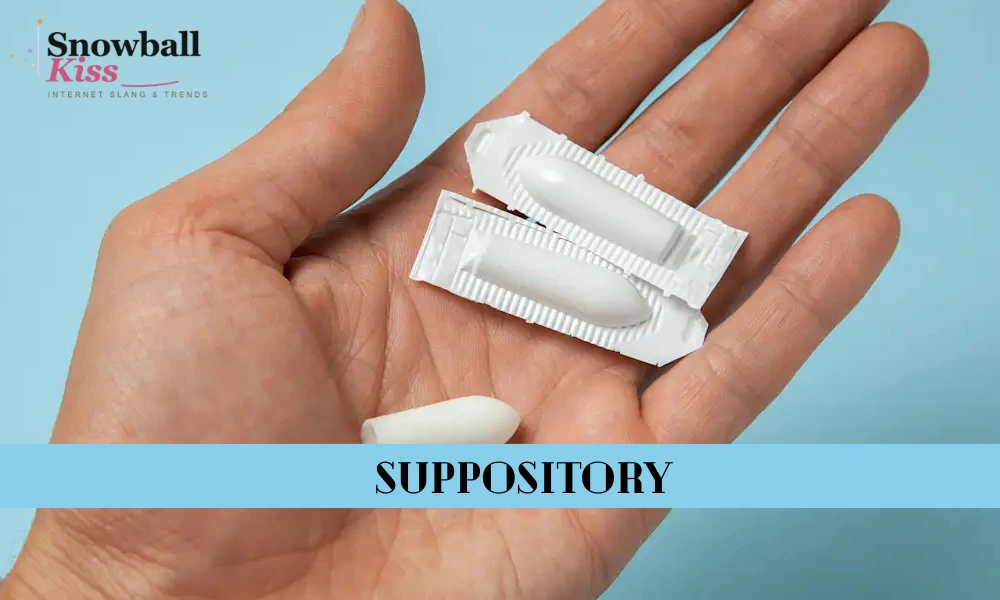
A suppository can feel unfamiliar at first, especially if you have only taken medicine as pills, capsules, or liquids. However, this dosage form has a clear medical purpose. It allows medicine to enter the body through the rectum, vagina, or, in rare cases, the urethra. Once placed correctly, it melts or dissolves and releases the active medicine. Doctors and pharmacists may recommend this option when oral medicine is not suitable, when fast local relief matters, or when a condition affects a specific body area.
What Is This Dosage Form?
A suppository is a small solid medicine designed for insertion into a body passage. It often has a cone, oval, capsule, or bullet-like shape, which helps it slide in more comfortably. The medicine sits inside a base that stays firm at room temperature but softens, melts, or dissolves after placement. This design allows the active ingredient to leave the base and reach nearby tissue or enter the bloodstream.
People often associate these medicines only with constipation, but healthcare providers use them for several conditions. Some products work in the area where you insert them, such as hemorrhoid treatment or vaginal infection care. Others allow medicine to enter circulation when a person cannot swallow, feels nauseated, or vomits. Because the route feels private, many patients feel nervous at first. Clear instructions and calm preparation usually make the process easier.
How a Suppository Works in the Body
After insertion, body warmth and moisture begin to break down the base. Fat-based products usually melt, while water-soluble products dissolve. As the base changes form, it releases the active medicine. The medicine then acts on nearby tissues or passes through mucous membranes into the bloodstream. The exact process depends on the ingredient, the product design, and the condition being treated.
This route can help when the stomach may reduce, delay, or disturb a medicine’s effect. For example, vomiting can stop oral tablets from staying in the body long enough to work. Swallowing problems can also make pills unsafe or stressful. In other cases, the goal is local treatment. A rectal medicine may soothe inflamed tissue, while a vaginal medicine may treat infection or dryness directly. This targeted action often explains why clinicians choose this form suppository .
Common Uses and Benefits
Healthcare providers recommend these medicines for many everyday and specialized needs. Rectal products may treat occasional constipation, hemorrhoids, fever, nausea, pain, or inflammation in the lower bowel. Vaginal products may treat yeast infections, bacterial infections, or dryness, depending on the ingredient. Urethral products are less common, but doctors may prescribe them for specific conditions such as erectile dysfunction.
When Oral Medicine Is Not the Best Choice
Oral medicine works well for many people, but it does not suit every situation. A patient may struggle to swallow after surgery, during illness, or because of a medical condition. Another person may vomit repeatedly and lose the medicine before it can work. Some drugs may also irritate the stomach or break down too quickly in digestion. In these cases, a healthcare provider may choose another route to deliver the treatment more reliably suppository.
Benefits for Local Symptoms
Local treatment is one of the biggest advantages. Instead of sending medicine through the whole digestive system first, the product releases it near the affected area. This can help with rectal irritation, lower bowel inflammation, hemorrhoid discomfort, or vaginal symptoms. Local action does not always mean fewer side effects, because every drug behaves differently. Still, targeted placement may improve comfort and reduce the need for broader treatment in selected cases.
Possible Convenience for Certain Patients
Some patients find this route more convenient after they learn the correct method. The dose is pre-measured, the product is compact, and the process usually takes only a few minutes. Parents may also use pediatric products when a child cannot take liquid medicine, but they should always follow age-specific instructions. Older adults may benefit when swallowing becomes difficult. Even so, comfort, privacy, and clear directions matter because incorrect use can reduce the medicine’s effect.
Main Types and How They Differ
Different types serve different parts of the body. You should never use one type in another area unless the label or clinician clearly instructs you. Each product has its own shape, strength, base, and safety guidance. Reading the label matters because “rectal,” “vaginal,” and “urethral” are not interchangeable terms suppository.
Rectal Products
Rectal products go into the rectum through the anus. People often use them for constipation, hemorrhoids, nausea, pain, fever, or inflammation near the end of the digestive tract. Some laxative products work by stimulating bowel movement or drawing water into the intestine. Other prescription products may reduce inflammation in conditions that affect the rectum. Because stool can interfere with contact, many instructions advise using the medicine after a bowel movement when possible.
Vaginal Products
Vaginal products go into the vagina, often with an applicator. Doctors and pharmacists may recommend them for yeast infections, bacterial infections, vaginal dryness, hormone therapy, or contraception, depending on the product. Many people use them at bedtime because lying down can reduce leakage and help the medicine stay in place longer. A pantyliner may help protect clothing, but tampons may absorb medicine unless a healthcare professional says they are safe to use with that treatment.
Urethral Products
Urethral products are uncommon and very small. A clinician may prescribe a urethral medicine for certain cases of erectile dysfunction. The user places it into the urethra with a special applicator, and the medicine absorbs through local tissue. Because this type requires specific technique and has unique risks, patients should follow professional instructions closely. They should not substitute a rectal or vaginal product for urethral use.
How to Use a Suppository Safely
suppository Correct technique helps the medicine stay in place and work as intended. Always start by reading the package or prescription directions. Wash your hands before and after use. If the product feels too soft, place it in the refrigerator for a few minutes while it remains wrapped. Do not heat it, microwave it, or leave it in direct sunlight. If your doctor tells you to use only half, cut it lengthwise with a clean blade.
Basic Rectal Insertion Steps
Try to empty your bowels first unless the product is a laxative meant to cause a bowel movement. Remove the wrapper and moisten the tip with water or a water-based lubricant if the label allows it. Lie on your side with the upper knee bent toward your chest. Gently insert the pointed end into the rectum with a finger. Push it far enough so it does not slip out, then remain lying down for several minutes.
Basic Vaginal Insertion Steps
Wash your hands, remove the wrapper, and place the medicine into the applicator if one comes with the product. Lie on your back with knees bent, or stand with knees slightly bent if that feels easier. Gently guide the applicator into the vagina as far as comfortable, then press the plunger to release the medicine. Remove and dispose of the applicator if it is single-use. Many people prefer bedtime use to limit leakage.
After Insertion
Stay still long enough to give the base time to soften or dissolve. Avoid vigorous exercise immediately after use unless your clinician says otherwise. Some leakage can happen, especially with vaginal products or softer bases. This does not always mean the dose failed, but heavy leakage, repeated slipping, or ongoing discomfort may signal incorrect placement. Contact a pharmacist or doctor if the medicine keeps coming out or you cannot insert it comfortably.
Also Read: What Is Pravi Celer? Health Benefits and Easy Ways to Use It
Side Effects, Risks, and Safety Considerations
Most people use these medicines without serious problems, but side effects can occur. Mild irritation, leakage, local burning, cramping, or discomfort may happen depending on the ingredient. Laxative products may cause bowel urgency or stomach cramps. Anti-inflammatory or steroid products can have different effects, especially with longer use. Vaginal treatments may cause local irritation or discharge. The product label should list common and serious side effects for that specific medicine.
When to Contact a Doctor
Call a healthcare professional if you notice rectal bleeding, severe pain, rash, swelling, fever, breathing trouble, worsening symptoms, or signs of an allergic reaction. You should also seek advice if constipation lasts, if bowel habits change suddenly for more than two weeks, or if you have abdominal pain with nausea or vomiting. People who are pregnant, breastfeeding, older, immunocompromised, or managing chronic bowel disease should ask for guidance before starting a new product.
Who Should Be Extra Careful
Extra care matters after rectal surgery, prostate surgery, vaginal procedures, or radiation treatment. People with severe hemorrhoids, anal fissures, unexplained bleeding, pelvic pain, or recurring infections should avoid self-treating repeatedly. Children need age-appropriate products and careful dosing. Older adults may react differently to laxatives or prescription medicines. If you take several medications, ask a pharmacist about interactions, even when the product seems local or available without a prescription.
Also Read: Brasssmile Guide 2026: Dental Care, Benefits, and Facts
Storage, Common Mistakes, and Practical Tips
Store products according to the label. Many stay at room temperature, but some need a cool place to prevent melting. Keep all medicines away from children and pets. Do not use expired products, damaged wrappers, or medicine that has changed color or texture unless a pharmacist says it remains safe. When traveling, protect heat-sensitive products from hot cars, direct sun, and luggage compartments that may become warm.
Common mistakes include swallowing a product meant for rectal or vaginal use, using petroleum jelly when the label does not allow it, inserting the flat end first, or standing up too soon. Another mistake involves using laxative products too often without medical advice. Frequent laxative use can make constipation harder to manage and may hide an underlying issue. If symptoms return often, look for the cause rather than repeating short-term treatment.
A few simple habits can make the experience easier. Trim sharp nails, use gloves if desired, and create privacy before you begin. Handle the medicine briefly so warmth from your fingers does not soften it. Breathe slowly and relax the surrounding muscles. If embarrassment stops you from asking questions, remember that doctors and pharmacists explain these products often. Good technique protects comfort, hygiene, and effectiveness.
FAQs
How long does a suppository take to work?
Timing depends on the medicine and purpose. Some laxative products may work within minutes to an hour, while anti-inflammatory or infection treatments may take days of regular use. Follow the label or prescription and ask a pharmacist if you need a clearer timeline.
Can I use one if I am pregnant?
Do not start a new product during pregnancy unless a healthcare professional says it is suitable. Some options may be safe in certain situations, but the right choice depends on the ingredient, dose, trimester, and your health history.
What should I do if it comes out?
If it slips out right away, you may not have inserted it far enough. Read the product directions and ask a pharmacist before repeating the dose. Do not automatically use another dose unless the label or clinician tells you to.
Is leakage normal?
A small amount of leakage can happen as the base melts or dissolves. Wearing a liner may help. However, heavy leakage, pain, or repeated loss of medicine deserves medical or pharmacy advice.
Can children use these medicines?
Children can use certain pediatric products, but only with the correct age, dose, and route. Parents should follow the pediatric label or a clinician’s instructions and avoid adult products unless a healthcare professional recommends them.
Conclusion
A suppository offers a practical way to deliver medicine when pills, liquids, or capsules do not fit the situation. It can support local treatment, help people who cannot swallow, and provide another option when vomiting or digestive issues interfere with oral medicine. The main types include rectal, vaginal, and rare urethral products, and each requires the right technique. Read directions carefully, store the medicine properly, and ask a healthcare professional if symptoms continue, side effects appear, or you feel unsure about safe use.
You May Also See: Snowballkiss