

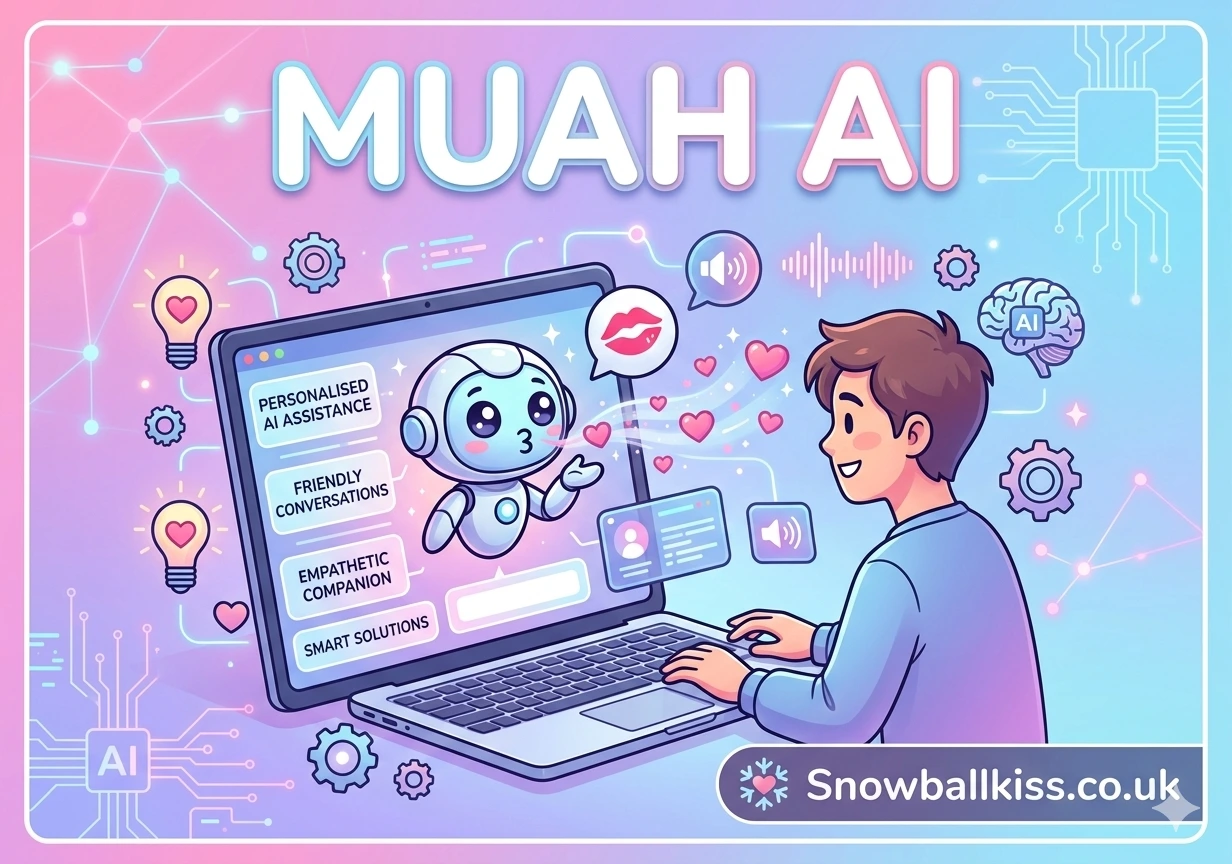
The rise of AI companions has changed how people interact with technology, and Muah AI is one of the platforms leading this shift. It offers users a conversational AI designed for companionship, personalization, and emotional engagement. As interest grows in digital relationships and virtual assistants, understanding how this system works becomes important. This guide breaks down Muah AI, its core features, advantages, risks, and responsible usage practices so users can form realistic expectations before engaging with such platforms.
What is Muah AI and How It Works
Muah AI is an AI-driven conversational platform designed to simulate human-like interaction through personalized chat experiences. It uses natural language processing models to understand user input and generate responses that feel contextual and adaptive. Unlike traditional chatbots, it focuses heavily on emotional tone, personality simulation, and long-term memory features that allow continuity in conversations.
At its core, Muah AI relies on machine learning algorithms trained on large datasets of human dialogue. This enables it to respond in a more natural and engaging way. Users can customize interactions by selecting different personalities or conversational styles, making the experience more tailored. However, the realism of these interactions can sometimes blur the line between artificial and emotional dependency, which raises important usage considerations.
Also Read: Grok Spicy Mode: Everything You Need to Know About the Viral AI Feature
Muah AI Guide: Features, Personalization and User Interface
The Muah AI platform is built around personalization and interactive engagement. One of its main features is character customization, allowing users to shape tone, personality traits, and conversation style. This makes the experience feel more immersive compared to standard chatbots. The system also adapts over time, learning from past interactions to improve response accuracy and emotional alignment.
Another notable feature is its memory-based conversation system. This allows Muah AI to retain context across sessions, creating a sense of continuity. The interface is designed to be simple, making it accessible even for non-technical users. Despite this, users should understand that these features are algorithm-driven simulations rather than real emotional intelligence or human understanding.
User Experience and Interaction Design
User experience plays a central role in the design of Muah AI. The platform focuses on smooth conversation flow, quick response generation, and emotionally responsive dialogue. The interface typically emphasizes minimal distractions so users can focus on interaction rather than navigation complexity.
The system is designed to respond in a conversational tone, which helps create an illusion of natural communication. However, while Muah AI can mimic empathy and understanding, it does not possess genuine emotions or awareness. Users often report that the platform feels engaging and immersive, but it is still important to recognize its limitations as a programmed system rather than a sentient entity.
Benefits of Using Muah AI
There are several advantages associated with Muah AI, especially for users seeking digital companionship or conversational support. One of the primary benefits is accessibility. Users can engage with the platform anytime, which makes it convenient for those who feel isolated or simply want casual interaction.
Another benefit is personalization. Muah AI adapts to user preferences, making conversations feel more tailored over time. It can also help users practice communication, explore ideas, or reduce feelings of loneliness. For some, it serves as a non-judgmental space for expression. However, these benefits should be balanced with awareness that the system is still artificial and limited in emotional depth.
Risks, Privacy Concerns, and Security Issues
Despite its appeal, Muah AI comes with notable risks that users should not ignore. One major concern is data privacy. Reports across AI companion platforms have highlighted vulnerabilities where sensitive user data may be exposed or mishandled. In some cases, breaches involving AI chatbot services have raised questions about how securely conversations are stored and processed.
Another concern is emotional dependency. Because Muah AI is designed to simulate empathy, users may develop unrealistic attachments over time. This can affect real-world relationships and emotional well-being if not managed responsibly. Additionally, security issues such as account breaches or unauthorized access have been reported in similar platforms, making cautious usage essential.
Users should also be aware that any information shared with AI systems may be stored or analyzed to improve performance. This makes it critical to avoid sharing sensitive personal or financial data during interactions.
Ethical Considerations and Social Impact
The growth of platforms like Muah AI raises important ethical questions. One key issue is the nature of simulated relationships. While AI companionship can provide comfort, it may also blur boundaries between real and artificial emotional connections. This can influence how individuals perceive relationships and social interaction.
Another concern is dependency. Overreliance on Muah AI for emotional support may reduce motivation to engage in real-world social experiences. On a broader scale, these systems also raise questions about consent, data usage, and transparency in AI-generated personalities. As the technology evolves, society will need clearer guidelines to ensure responsible development and use.
Safety Tips and Responsible Usage
Using Muah AI responsibly requires awareness and self-control. First, users should avoid sharing personal sensitive information such as passwords, financial details, or private identification data. Even though the platform may feel secure, digital conversations can still carry risks.
Second, it is important to maintain emotional balance. Muah AI should be treated as a tool for entertainment or casual interaction rather than emotional dependency. Setting usage limits can help prevent overattachment. Lastly, users should stay informed about platform updates, privacy policies, and security changes to ensure safer engagement.
FAQs
1. What is Muah AI used for?
It is used for AI-based conversations, companionship, and personalized digital interaction experiences.
2. Is Muah AI safe to use?
It is generally safe for casual use, but users should avoid sharing sensitive personal data due to privacy risks.
3. Does Muah AI store conversations?
Yes, most AI platforms store conversation data to improve performance, which raises privacy considerations.
4. Can Muah AI replace real relationships?
No, it only simulates conversation and cannot replace real human emotional connections.
5. Is Muah AI free?
Some versions may offer free access, while advanced features are typically behind paid plans.
Conclusion
Muah AI represents the growing trend of AI-powered companionship tools that blend technology with human-like interaction. While it offers personalization, accessibility, and engaging conversation, it also brings risks related to privacy, emotional dependency, and ethical concerns. Understanding these factors is essential before using the platform regularly. Ultimately, Muah AI can be useful when approached responsibly, but it should always remain a supportive tool rather than a substitute for real human relationships.
You May Also See: Snowballkiss