
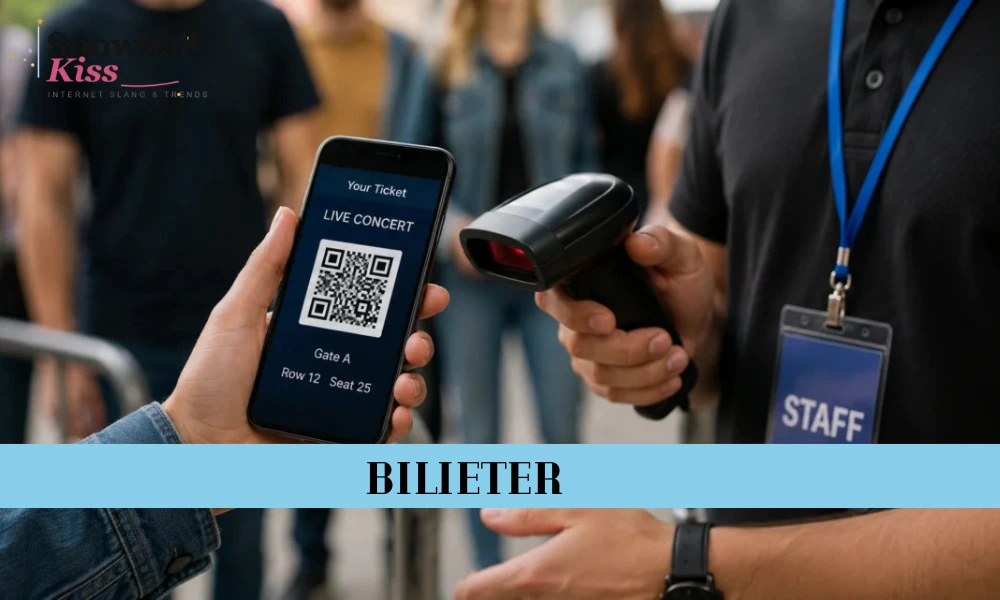
Welcome to the fascinating world of bilieter! As we step into 2026, ticketing technology is transforming at an unprecedented pace. Whether you’re a concert-goer, sports enthusiast, or event organizer, understanding bilieter systems is essential. In this comprehensive guide, we’ll explore everything you need to know about digital ticketing—its evolution, key benefits, and emerging trends shaping the future. Join us as we navigate through innovations that promise to enhance your ticketing experience like never before!
Understanding Biljetter and Bilieter
Biljetter, the Swedish term for tickets, has evolved significantly over time. From paper passes to digital solutions, ticketing systems have adapted to meet modern demands.
The bilieter embodies this transformation, offering a seamless and efficient way for customers to purchase and access tickets across various platforms. Understanding these changes is crucial for both consumers and businesses navigating today’s ticketing landscape.
What is a Bilieter? The Evolution of Ticketing
A Bilieter represents a modern evolution in ticketing systems, merging technology with user convenience. Originally, tickets were simple paper slips that granted entry to events and transportation.
Today’s digital bilieters facilitate seamless transactions through smartphones and apps. They provide real-time updates, personalized experiences, and enhanced security features that traditional methods couldn’t offer. This shift has transformed how we access entertainment and services globally.
The Primary Roles of a Modern Bilieter
A modern bilieter plays several crucial roles in enhancing user experience. They simplify the ticketing process, ensuring seamless transactions for events, travel, and entertainment.
Additionally, they provide real-time access to data analytics. This information helps businesses make informed decisions about pricing and inventory management while improving customer satisfaction through personalized services.
Core Uses of Digital Ticketing Systems
Digital ticketing systems serve various industries. They streamline the purchasing process for concerts, sporting events, transportation, and more. This ease of access enhances customer satisfaction.
Additionally, they facilitate real-time updates on event changes or cancellations. Organizations can also collect valuable data to analyze consumer behavior and improve future offerings. These systems are reshaping how we experience events daily.
The Technology Driving Digital Ticketing
Digital ticketing relies on advanced technologies such as cloud computing and mobile applications. These innovations streamline purchasing processes, making tickets accessible anytime and anywhere.
Blockchain technology enhances security by ensuring transparent transactions. Additionally, real-time analytics provide valuable insights into customer behavior, allowing businesses to optimize their offerings effectively. This blend of tech creates a seamless experience for both organizers and attendees.
Advancements and Trends in Bilieter Technology
The bilieter technology landscape is rapidly evolving, driven by innovations like artificial intelligence and machine learning. These advancements enhance user experience through personalized recommendations and streamlined customer interactions.
Additionally, biometric ticketing systems are gaining traction, offering a seamless entry process at events. This trend not only boosts security but also simplifies logistics for organizers and attendees alike.
Top Benefits of Embracing a Digital Bilieter
Digital bilieters streamline the ticketing process, allowing for instant purchase and delivery. This convenience reduces waiting times and enhances customer satisfaction.
Additionally, they provide valuable data analytics tools that help businesses understand consumer behavior better. This information can drive targeted marketing strategies, leading to increased sales and improved user experiences across various platforms.
Challenges in Digital Ticketing and How to Overcome Them
Digital ticketing faces several challenges, including cybersecurity threats and user accessibility. Hackers target sensitive data, making it vital for companies to invest in robust security measures.
Another issue is the digital divide that limits access for some users. Providing alternative purchasing options and ensuring user-friendly interfaces can help bridge this gap, allowing everyone to enjoy seamless ticketing experiences.
The Future of the Bilieter: Trends to Watch
The future of bilieters is poised for remarkable advancements. Expect increased integration with AI and machine learning, enhancing user experiences through personalized recommendations.
Moreover, blockchain technology will revolutionize ticket resale, ensuring transparency and security. As consumer preferences evolve, embracing mobile-first solutions and contactless entry will become essential for venues aiming to streamline operations while providing seamless access to events.
How to Choose the Right Bilieter Software
Selecting the right Bilieter software involves assessing your specific needs. Consider factors like user-friendliness, integration capabilities, and customer support.
Look for solutions that offer customization options to fit your brand. Additionally, evaluate security features and scalability to ensure the software can grow with your business demands over time.
Impact and Applications of Bilieter
Bilieter systems have transformed various sectors, enhancing how events are organized and attended. From concerts to corporate gatherings, they streamline ticket sales and access management, improving efficiency.
In public transportation and sports venues, bilieters facilitate seamless travel experiences for passengers while ensuring crowd control. Museums and theme parks also leverage these technologies to enhance visitor engagement through personalized ticketing options.
Concerts, Festivals, and Live Entertainment
Concerts and live festivals thrive on seamless ticketing experiences. Bilieter systems allow fans to purchase tickets instantly, reducing wait times and enhancing excitement.
Moreover, digital solutions provide organizers with real-time data analytics. This insight helps optimize attendance strategies, manage crowd control, and improve overall event satisfaction. By adopting modern bilieter technology, organizers ensure memorable experiences for attendees while maximizing revenue potential.
Public Transportation and Aviation
Public transportation and aviation have embraced bilieter technology to enhance user experiences. Digital ticketing solutions streamline the purchasing process, making it quicker for commuters and travelers alike.
Passengers can now access real-time information on train schedules or flight updates through their mobile devices. This convenience reduces queues at stations and airports, improving overall efficiency in travel systems worldwide.
Sports Stadiums and Arenas
Sports stadiums and arenas have significantly transformed with digital bilieter systems. Fans now experience seamless entry through mobile tickets, reducing wait times and enhancing convenience.
These platforms also allow for dynamic pricing strategies, enabling teams to maximize revenue while providing fans with affordable options. Enhanced data analytics help venues tailor experiences uniquely suited to audience preferences, ensuring a memorable visit every time.
Corporate Events and Conferences
Corporate events and conferences have increasingly embraced digital bilieter systems. These platforms simplify registration, ticketing, and attendee management. They provide a seamless experience for both organizers and participants.
With features like real-time analytics and personalized communication, businesses can enhance engagement. Digital tickets also facilitate easier access control at venues while reducing paper waste, aligning with sustainability goals in the corporate world.
Museums, Galleries, and Theme Parks
Museums, galleries, and theme parks leverage bilieter systems to enhance visitor experiences. Digital ticketing allows for quicker entry, reducing long queues and improving guest satisfaction.
In addition, these venues can track attendance patterns and preferences through data analytics. This insight helps optimize exhibitions and attractions while ensuring personalized engagement with visitors throughout their journey.
Enhancing the Ticketing Experience
Artificial intelligence is revolutionizing ticketing. Predictive algorithms analyze user behavior, enhancing customer satisfaction by suggesting personalized options. This ensures buyers find what they want quickly and easily.
Biometric ticketing adds another layer of convenience and security. Users can enter venues using facial recognition or fingerprints, making the process seamless. Smart contracts and blockchain technology also streamline resale, ensuring secure transactions without intermediaries.
Artificial Intelligence and Predictive Ticketing
Artificial Intelligence is revolutionizing the ticketing landscape. Predictive algorithms analyze past purchasing behavior to anticipate demand for events, allowing for smarter pricing strategies.
This technology enhances user experience by offering personalized recommendations and tailored promotions. As a result, event organizers can optimize inventory management, ensuring tickets are sold efficiently while maximizing revenue potential.
Biometric Ticketing
Biometric ticketing leverages unique physical characteristics, such as fingerprints or facial recognition, to authenticate entry. This technology enhances security and streamlines the check-in process at events and venues.
By eliminating traditional tickets, biometric systems reduce fraud risks while offering a seamless experience for attendees. As adoption increases, users can expect greater efficiency and convenience in accessing their favorite events.
Smart Contracts and Blockchain Resale
Smart contracts utilize blockchain technology to automate ticket transactions. They ensure transparency and trust between buyers and sellers, minimizing fraud risks in the resale market.
Resale through blockchain allows for secure ownership transfers without intermediaries. This method enhances accountability, as all transaction records are immutable and easily traceable on the ledger. Users gain confidence knowing their tickets are legitimate and properly sourced.
Virtual and Augmented Reality Experiences
Virtual and augmented reality are revolutionizing the ticketing landscape. They offer immersive experiences, enhancing how audiences engage with events before they even arrive.
With VR previews, potential attendees can explore venues or view performances in a 360-degree format. AR features bring additional layers of interaction during live events, creating memorable moments that deepen connections between fans and their favorite artists or teams.
Also Read: Grok Spicy Mode: Everything You Need to Know About the Viral AI Feature
Addressing Challenges and Security Measures
Digital ticketing faces unique challenges, including cybersecurity threats and the digital divide. Robust security measures are essential to protect user data and maintain trust.
Leveraging cloud technology enhances scalability during peak demand while allowing for better data analytics. Implementing eco-friendly practices further strengthens brand reputation in a competitive market, paving the way for safer and more sustainable ticketing experiences.
The Power of the Cloud
Cloud technology revolutionizes bilieter systems by offering flexibility and scalability. Ticketing operations can be managed from anywhere, enabling real-time updates and access to ticket information.
Additionally, the cloud enhances data security and backup solutions. This means sensitive customer information is protected while ensuring seamless transactions during high-demand events. The power of the cloud truly transforms how we think about digital ticketing.
Unparalleled Data Analytics
Data analytics in bilieter systems offers insights that were previously unattainable. By analyzing ticket sales, user behavior, and demographics, organizations can tailor marketing strategies effectively.
These analytics help identify trends and peak times for sales. With such information at hand, businesses can optimize pricing models and enhance customer experiences, ensuring they stay ahead of the competition in a dynamic market.
Streamlined Operations and Cost Reduction
Streamlined operations through digital bilieter systems significantly reduce administrative burdens. Automated ticket sales and real-time inventory management minimize human error, freeing up staff to focus on customer engagement.
Moreover, the reduction in printing costs and physical distribution leads to substantial savings. Organizations can allocate resources more efficiently, enhancing overall profitability while improving the user experience for customers purchasing tickets online.
Eco-Friendly Sustainability
Eco-friendly sustainability in bilieter systems focuses on minimizing environmental impact. Digital ticketing eliminates the need for physical paper tickets, reducing waste significantly.
Additionally, many providers are adopting green practices by utilizing energy-efficient data centers and eco-conscious software development. This shift not only supports the planet but also appeals to consumers who value environmentally responsible choices in their purchasing decisions.
Scalability During High Demand
Scalability is crucial for bilieter systems during peak demand periods, such as concert launches or major events. These systems must handle sudden surges in ticket purchases while maintaining performance and reliability.
Cloud-based solutions offer the flexibility needed to accommodate fluctuating traffic. By automatically adjusting resources, they ensure smooth transactions without frustrating delays for customers eager to secure their tickets.
Also Read: Muah AI Guide: Features, Benefits, Risks and User Tips
The Digital Divide and Cybersecurity Threats
The digital divide remains a significant challenge in the ticketing landscape. Many users lack access to reliable internet or advanced technology, limiting their ability to engage with modern bilieter systems effectively.
Cybersecurity threats pose additional risks, as cybercriminals target sensitive data within ticketing platforms. Robust security measures are essential to protect both customers and companies from potential breaches that could undermine trust in digital ticketing solutions.
Conclusion
The Bilieter landscape is rapidly evolving, driven by technology and user demands. Innovations like AI, biometric systems, and blockchain are reshaping how tickets are purchased and used.
As we move forward into 2026, embracing these advancements will be crucial for enhancing customer experiences. Staying informed about trends ensures businesses can adapt effectively in this dynamic environment.
FAQs
What are the advantages of digital ticketing?
Digital solutions offer convenience, security, and real-time data analytics. They streamline operations while enhancing user experience.
How does AI improve ticketing?
Artificial intelligence can analyze buying patterns to predict demand. This allows companies to optimize pricing strategies effectively.
Are there security concerns with digital bilieters?
Yes, cybersecurity threats exist in any online system. Robust measures must be implemented to safeguard customer data.
Will biometric ticketing become mainstream?
With increasing emphasis on security and efficiency, biometric technologies may soon dominate events like concerts or sports games.
What role will blockchain play in ticket resale?
Smart contracts could revolutionize how tickets are bought and sold by ensuring authenticity while minimizing fraud risks.
Curious about sustainability efforts in digital bilieters?
Many platforms now prioritize eco-friendly practices as part of their operational strategy.
You May Also See: Snowballkiss