

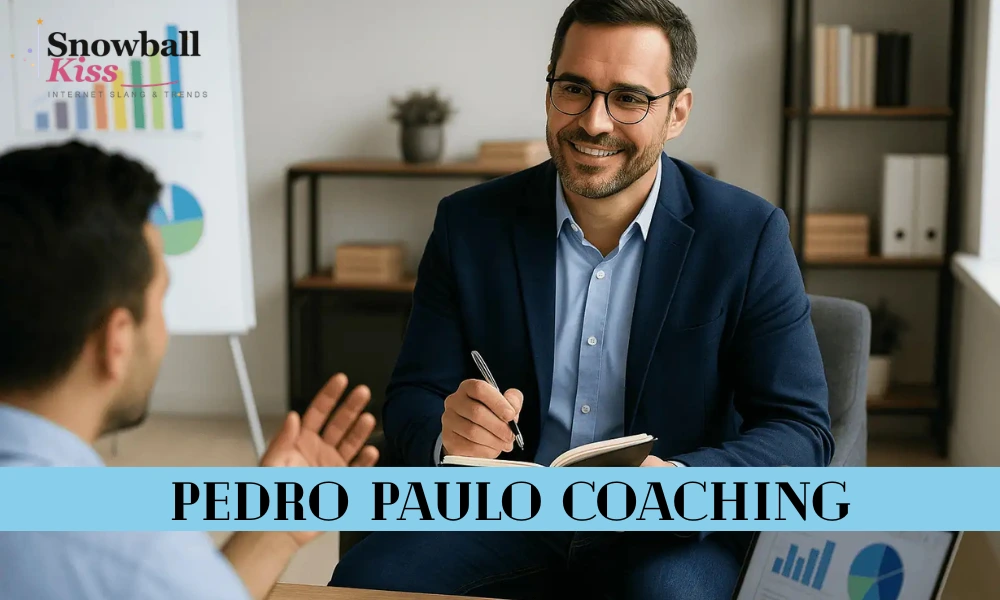
Pedro Paulo Coaching is often sought by leaders, managers, founders, and professionals who want better clarity, stronger decision-making, and measurable progress in their careers. The public website presents the brand as leadership coaching supported by digital tools for modern managers, with a focus on clarity, confidence, structured sessions, feedback, and performance tracking. Instead of treating Pedro Paulo Coaching as motivation only, this approach is built around practical growth, real workplace challenges, and steady personal development.
How Pedro Paulo Coaching Supports Modern Leadership
Modern leadership is no longer only about giving instructions or managing tasks. Today, leaders need emotional control, clear communication, strategic thinking, and the ability to guide teams through change. A coach can help leaders slow down, understand their behavior, and choose better actions during pressure. This is useful for managers who feel busy all the time but still want to lead with purpose, not just react to problems.
Pedro Paulo Coaching fits this need by focusing on clarity and measurable progress. The official services page describes coaching engagements as being built around “clarity in action,” structured conversations, feedback loops, and lightweight technology tools that make growth more visible. This matters because many people set goals but do not track the small habits that lead to results. A clear system makes improvement easier to see and easier to repeat.
Why leaders need guidance
Many professionals are promoted because they are good at their technical work. However, leading people requires a different skill set. A great salesperson, engineer, chef, marketer, or operator may struggle when they suddenly need to delegate, motivate, coach, and handle conflict. Pedro Paulo Coaching gives them a private space to practice these skills, review mistakes, and build a leadership style that feels authentic.
Why structure matters
Without structure, personal growth can become vague. A person may say they want to be more confident, communicate better, or become a stronger leader, but those goals need clear steps. Pedro Paulo Coaching turns broad ideas into practical actions. For example, “better communication” may become weekly team check-ins, clearer meeting agendas, active listening practice, and direct feedback habits. Small actions create visible change over time.
Why Goal Setting Works Better With a Coach
Setting goals alone is easy, but following through can be hard. Many people begin with energy and then lose focus when work becomes stressful. A coach helps separate important goals from distractions. This is valuable for professionals who have many responsibilities but no clear development plan. Instead of chasing every idea, the coach helps the client choose priorities that match their role, values, and long-term direction.
A coach also helps make goals realistic. For example, a new manager may want to become more confident in three months. That goal sounds good, but it needs details. Confidence may come from better preparation, improved feedback skills, and stronger decision-making. By breaking the goal into smaller actions, the client can measure progress and avoid frustration. This makes the journey feel more practical and less overwhelming.
Turning big goals into simple steps
A strong Pedro Paulo Coaching plan usually starts with a clear question: What do you want to improve, and why does it matter now? The answer may be career growth, team performance, business expansion, or better work-life balance. Once the main goal is clear, the coach helps create smaller steps. These steps may include behavior changes, communication habits, planning routines, or leadership exercises that can be used immediately at work.
Building accountability
Accountability is one of the biggest reasons coaching works. When someone knows they will review progress with a coach, they are more likely to take action between sessions. This does not mean pressure or judgment. Instead, it creates a rhythm of reflection and improvement. The client tries a new behavior, observes the result, discusses what happened, and then adjusts the plan. Over time, this cycle builds stronger habits.
Also Read: Isabelle de Caires: Biography, Career, Family, and Life Story
Core Services and Who They Help
The public services page lists four main service areas: executive leadership Pedro Paulo Coaching, team performance coaching, tech-enabled growth plans, and an emerging leaders program. Each service supports a different type of client, but the main purpose is similar: help people move from unclear intention to focused action. This makes the coaching useful for both individuals and teams that want better performance.
Executive leadership coaching is designed for senior professionals, founders, and managers who want more confidence and strategic clarity. These clients may already have experience, but they need support with bigger decisions, complex team issues, or business growth. One-on-one coaching can help them identify blind spots, improve leadership presence, and build a development roadmap that connects personal improvement with workplace results.
Team performance Pedro Paulo Coaching is useful when a group needs better alignment. A team may have talented people, but still struggle because of unclear roles, weak communication, or low trust. Coaching can help teams define shared goals, improve accountability, and create better systems for progress. This is especially helpful for companies that are scaling, changing direction, or trying to improve collaboration between departments.
Tech-enabled growth plans
One standout part of the service is the use of digital tools to track leadership growth. The official site describes personalized dashboards and digital tools that help track progress, habits, and performance over time. This can be useful for people who want coaching to feel concrete, not abstract. When progress is visible, clients can see whether they are improving or simply repeating the same patterns.
Emerging leaders program
The emerging leaders program is meant for professionals who are newly promoted or preparing for leadership. This stage is important because early leadership habits often shape future success. New leaders need to learn how to delegate, speak clearly, manage conflict, and make decisions without waiting for constant approval. Coaching can help them build confidence before bad habits become difficult to change.
The Coaching Process From Clarity to Action
A good coaching process usually starts with discovery. This means understanding the client’s current role, challenges, strengths, and goals. The coach may ask about workplace pressure, team issues, communication style, and career direction. This stage is important because every leader is different. A founder dealing with fast growth does not need the same plan as a new manager learning how to lead a small team.
After discovery, the coach and client build a practical roadmap. This roadmap should include clear goals, expected behaviors, and ways to measure progress. For example, a leader who wants to become better at delegation may start by listing tasks they still control too closely. Then they may choose which responsibilities to hand off, how to explain expectations, and how to review progress without micromanaging.
Coaching sessions and practice
The real value of Pedro Paulo Coaching often happens between sessions. A session may create insight, but practice creates change. The client applies a new habit at work, such as asking better questions in meetings or giving clearer feedback. Then, in the next session, the coach helps review what worked and what did not. This keeps the process connected to real life instead of theory.
Feedback and follow-through
Feedback helps leaders understand how their actions affect others. Sometimes people believe they are being clear, but their teams feel confused. Sometimes leaders think they are being supportive, but employees experience them as distant or rushed. Pedro Paulo Coaching can help clients notice these gaps. With regular follow-through, they can adjust their behavior and become more consistent, calm, and effective.
Key Skills Leaders Can Build Through Coaching
One key skill is self-awareness. Leaders who understand their strengths, weaknesses, triggers, and communication style usually make better decisions. Self-awareness helps a manager notice when they are reacting emotionally, avoiding hard conversations, or taking on too much work. Once they notice the pattern, they can choose a better response. This is often the first step toward stronger leadership.
Another important skill is communication. Clear communication reduces confusion, saves time, and builds trust. Many workplace problems happen because expectations are not explained well. Coaching can help leaders speak more directly, listen with more patience, and adjust their message for different people. This is useful in meetings, performance reviews, client conversations, and high-pressure situations where poor communication can create bigger problems.
Strategic thinking
Strategic thinking helps leaders move beyond daily tasks. Instead of only solving today’s problem, they learn to ask what the business or team will need next month, next quarter, or next year. Coaching can support this by helping leaders think through risks, priorities, and trade-offs. Strong strategic thinking allows leaders to make decisions that support long-term growth, not just short-term relief.
Confidence and executive presence
Confidence does not mean acting perfect or never feeling doubt. It means being prepared, calm, and clear even when the answer is not easy. Executive presence grows when leaders communicate with purpose, stay steady under pressure, and make thoughtful decisions. Coaching can help clients build this presence by practicing difficult conversations, improving body language, and learning how to lead with more authority.
How This Coaching Can Help Different Professionals
For founders, Pedro Paulo Coaching can help create structure during fast growth. Many founders are creative and driven, but they may struggle to delegate or build leadership systems. As the business grows, doing everything alone becomes impossible. A coach can help the founder shift from operator to leader. This means building routines, trusting others, and focusing on decisions that have the biggest impact.
For managers, coaching can improve daily leadership. Managers often sit between senior leadership and frontline teams, so they face pressure from both sides. They must explain goals, handle concerns, manage performance, and keep work moving. Coaching can help them communicate upward and downward with more confidence. It can also help them avoid burnout by setting better boundaries and using their time more wisely.
For senior executives, coaching can support decision-making and influence. At higher levels, problems are often more complex and less predictable. Executives must manage stakeholders, guide culture, and make decisions with incomplete information. Coaching gives them space to think clearly, test ideas, and improve how they lead through uncertainty. This can be especially helpful during growth, restructuring, or major business change.
For teams, coaching can improve alignment. A team may not need more talent; it may need clearer goals and better communication. Team coaching can help members understand expectations, build trust, and agree on how success will be measured. When teams share the same direction, work becomes smoother. People waste less time guessing and more time contributing.
How to Decide If This Coaching Is Right for You
Before choosing any coaching program, start with your goal. Ask yourself what you want to improve and what result would make the investment worthwhile. Do you want a promotion, better leadership habits, stronger team performance, or more confidence in decision-making? Clear goals make it easier to judge whether a coaching service matches your needs. They also help the coach design a more useful plan.
Next, review the coach’s background carefully. Since public details can vary across websites, it is smart to confirm the coach’s identity, experience, certifications, program format, pricing, and expected outcomes before paying. This is not about being negative; it is simply good decision-making. A professional coach should be able to explain their process, who they help, and how progress will be measured.
Questions to ask before starting
Ask what the coaching process looks like from the first session to the final review. Ask how goals are set, how progress is tracked, and what happens between sessions. You can also ask whether Pedro Paulo Coaching is one-on-one, team-based, virtual, or in person. These questions help you understand whether the program is structured enough for your needs.
Signs coaching may be a good fit
Pedro Paulo Coaching may be a good fit if you are ready to reflect honestly and take action. It is not useful for someone who only wants advice but does not want to change habits. The best results usually come when clients are open to feedback, willing to practice, and serious about improvement. A coach can guide the process, but the client must do the work.
Common Benefits of a Structured Coaching Program
A structured Pedro Paulo Coaching program can help leaders become more focused. Many professionals feel overwhelmed because everything seems urgent. Coaching helps separate high-value work from low-value distractions. With clearer priorities, leaders can use their time better and make decisions with less stress. This alone can improve daily performance because the leader stops reacting to every problem and starts working with intention.
Another benefit is better workplace relationships. Leadership is not only about plans and performance; it is also about trust. People follow leaders who communicate clearly, listen fairly, and act consistently. Pedro Paulo Coaching can help leaders understand how they affect others and how to build stronger relationships. Over time, this can improve team morale, reduce conflict, and create a more positive work environment.
Pedro Paulo Coaching can also support long-term career growth. When leaders build better habits, they become more prepared for bigger roles. They learn how to manage pressure, influence others, and think more strategically. These skills can help in promotions, business ownership, team expansion, or career transitions. The value is not limited to one job; strong leadership habits can support many future opportunities.
FAQs
What is Pedro Paulo Coaching?
It is a leadership and executive coaching service focused on clarity, communication, performance, and measurable growth. The public site presents it as coaching supported by digital tools and structured feedback.
Who can benefit from this coaching?
Managers, founders, executives, team leaders, and newly promoted professionals may benefit. It is especially useful for people who want stronger leadership habits and clearer career or business goals.
Is coaching the same as therapy?
No. Coaching is usually future-focused and goal-based. It helps with professional growth, leadership skills, and workplace performance. Therapy focuses more on mental health, emotional healing, and clinical support.
How long does it take to see results?
Results depend on the person, goals, and effort. Some people notice better clarity quickly, while deeper leadership habits may take several months of consistent practice and feedback.
What should I check before joining?
You should verify the coach’s identity, credentials, experience, pricing, program format, session schedule, and how progress will be measured. This helps you make a confident decision.
Conclusion
Pedro Paulo Coaching can be a helpful option for professionals who want clearer goals, stronger leadership skills, and a more structured path toward growth. Its public materials emphasize practical coaching, team performance, digital tracking, and leadership development for both experienced and emerging leaders. The best results come when clients are honest about their challenges and ready to practice new habits. Before starting, it is wise to verify program details directly and choose a coaching path that fits your goals, budget, and leadership stage.
You May Also See: Snowballkiss