
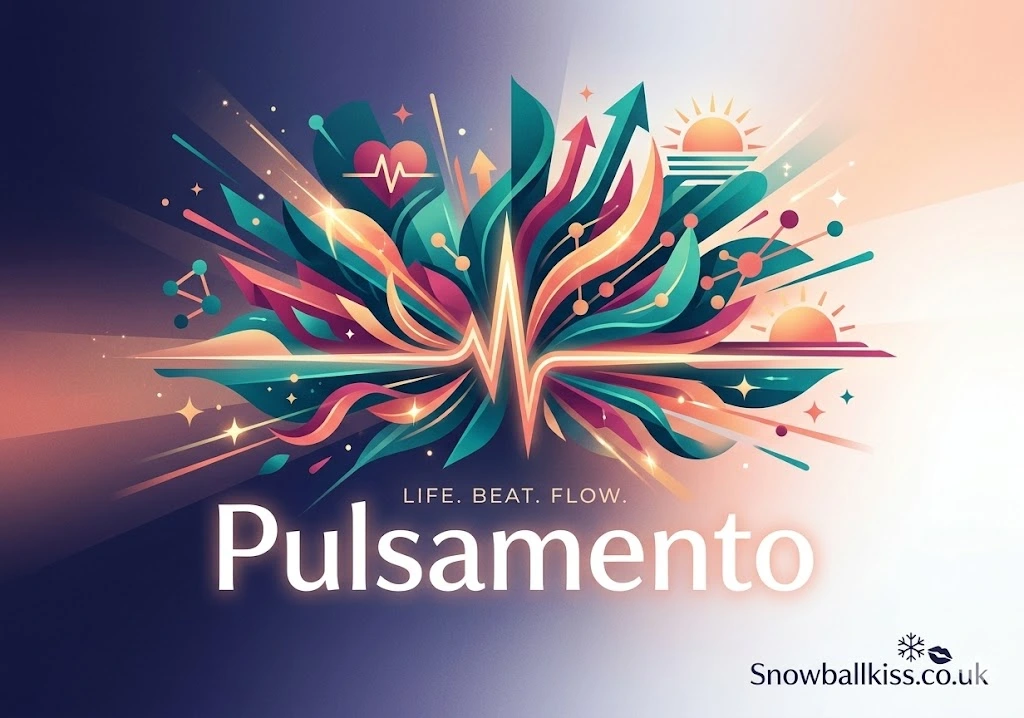
Pulsamento is a powerful idea that connects rhythm, movement, energy, and balance. At first, it may sound like a music-related word, but its meaning reaches much further. It can describe the beat of a song, the flow of breathing, the rhythm of daily habits, or the steady movement of life itself. For a general audience, this concept is easy to understand because everyone experiences rhythm in some way. From a heartbeat to a favorite song, steady patterns shape how people move, feel, focus, and live.
What Is Pulsamento?
The basic meaning
Pulsamento refers to a steady pulse, beat, or repeated movement that creates structure. You can think of it as the hidden rhythm that helps something feel organized instead of random. In music, it helps listeners follow a song. In the body, it appears through heartbeat and breathing. In daily life, it appears in routines, walking patterns, work habits, and even sleep cycles. The idea feels simple because people naturally understand rhythm before they even learn technical words for it.
Why the concept feels familiar
People respond strongly to rhythm because it appears everywhere. A baby hears a heartbeat before birth. A person walks with repeated steps. A singer follows timing to stay with the music. Even a calm morning routine has a rhythm that makes the day feel stable. When that rhythm breaks, people often feel rushed, tired, or distracted. This is why the idea matters. It gives people a simple way to understand balance, movement, and emotional flow through patterns.
Origin, Meaning, and Modern Use
Linguistic roots and rhythm
The word has a sound that feels closely connected to Pulsamento, pulsation, and movement. It also carries a musical quality because many rhythm-related terms come from European musical language traditions. While people may use the term in different ways, the central idea remains clear: repeated motion creates meaning. A single beat may feel small, but many beats together create rhythm. That rhythm can guide a song, a dance, a breathing exercise, or a daily routine.
How modern audiences use the idea
Today, people often use expressive words to describe emotional and creative experiences. A word connected with Pulsamento and movement can fit many topics, including music, wellness, branding, productivity, and personal growth. This flexibility explains why the term attracts online attention. It does not belong to only one field. Instead, it gives writers, creators, and readers a broad way to talk about energy, flow, and connection in modern life.
A concept, not a strict rule
It helps to understand this idea as a flexible concept rather than a technical rule. In music theory, pulse and rhythm have specific meanings. In wellness, rhythm may describe breathing or emotional balance. In lifestyle content, rhythm may refer to routines and habits. Each use has a slightly different purpose, but all of them share one point: steady patterns help people organize experience. That makes the concept useful for both creative and practical discussions.
Why it connects with people
The concept connects with people because it explains something they already feel. A strong song feels alive because its beat moves the listener. A peaceful walk can calm the mind because steps and breathing fall into a pattern. A productive day feels easier when tasks follow a natural order. These examples show how rhythm supports comfort, confidence, and focus. People do not need expert knowledge to recognize the value of steady flow.
Pulsamento in Music, Dance, Art, and the Body
The role of rhythm in music
Music gives the clearest example of this concept. Every song needs timing, whether it sounds soft, fast, slow, joyful, or emotional. The beat helps singers enter at the right moment, drummers guide the energy, and listeners follow the flow. Without a steady Pulsamento, music can feel scattered or hard to enjoy. This is why beginners often learn to clap, count, or tap before they study complex notes. Rhythm builds the foundation for musical confidence.
Movement and dance
Dance turns rhythm into visible action. A dancer listens to the beat and lets the body respond through steps, turns, gestures, and pauses. Even simple movement depends on timing. When the rhythm stays steady, the dance looks smooth and controlled. When timing breaks, the movement may feel uncertain. This same idea appears in sports, exercise, and walking. The body works better when movement follows a clear and natural pattern.
Art, design, and creative flow
Visual art also uses rhythm, even when no sound appears. Patterns, repeated shapes, lines, colors, and spacing can create a sense of movement on a page or screen. Writers use rhythm through sentence length and word choice. Filmmakers use rhythm through editing, sound, and scene pacing. In creative work, rhythm keeps the audience engaged. It gives the project energy and direction without making the viewer feel overwhelmed.
The body’s natural timing
The human body depends on repeated cycles. The heart beats, lungs breathe, eyes blink, and the body follows sleep and waking patterns. These rhythms help people survive, rest, focus, and recover. When routines become irregular, the body often reacts with fatigue, stress, or low concentration. A steady daily pattern can support better energy because the body knows what to expect. This connection makes rhythm important for both health and comfort.
Also Read: Dubolsinho Unveiled: Exploring Its Origins and Cultural Significance
Wellness, Focus, Daily Life, and Culture
Breathing and calm
Breathing exercises show how rhythm can support wellness. When a person breathes slowly and evenly, the mind often feels calmer. This happens because steady breathing gives the body a clear signal to slow down. Many meditation practices use repeated sounds, counting, or breath timing for this reason. You do not need a complicated method. Even a few minutes of slow breathing can create a sense of control during a stressful moment.
Focus and productivity
A steady rhythm can also improve focus. People often work better when they follow a pattern of effort and rest. For example, someone may focus deeply for a set time, take a short break, and then return to work. This pattern protects energy and reduces mental overload. Instead of forcing productivity all day, people can learn when their energy rises and falls. That awareness helps them plan tasks more wisely.
Daily routines and balance
Daily life contains many repeating patterns. Morning routines, meal times, exercise habits, and sleep schedules all shape how a person feels. A consistent routine can make life feel less chaotic because it gives the day structure. However, balance matters. A rhythm should support life, not trap it. Healthy routines leave room for rest, creativity, family, and unexpected changes. The best rhythm feels steady but not rigid.
Culture and shared energy
Groups also create rhythm together. A crowd claps at a concert, fans chant at a game, and families follow traditions during holidays. These shared patterns create connection because people move, speak, or respond together. Cities also have rhythms, from morning traffic to evening activity. Digital culture has rhythm too, with trends, posts, updates, and conversations moving quickly across platforms. In each case, repeated patterns shape how people connect.
Simple Ways to Practice Rhythm
Listen, count, and clap
One easy way to practice rhythm is to listen to a song and clap along with the main beat. Start with slow music because it gives your mind more time to follow the pattern. Count “one, two, three, four” while clapping or tapping your foot. This simple exercise trains attention and timing. It also helps beginners understand that rhythm is not only something they hear. It is something they can feel and repeat.
Use movement naturally
Walking can become a rhythm practice. Try walking at a steady pace while noticing each step. Then match your breathing to your movement without forcing it. This can make a walk feel calmer and more mindful. You can also stretch slowly while counting each movement. These small actions help the body and mind work together. Over time, rhythm becomes easier to notice in ordinary activities.
Try a metronome or timer
A metronome can help musicians, but anyone can use it to understand steady timing. Set it to a slow speed and tap along for one minute. The goal is not speed. The goal is consistency. A simple timer can also help with work rhythm. Set a short focus period, complete one task, and then pause. This creates a clean pattern that supports attention and reduces the feeling of being scattered.
Build healthier routines
You can also practice rhythm by improving daily habits. Sleep at a similar time, eat meals with more consistency, and create a short morning or evening routine. These habits do not need to be perfect. The goal is to create a pattern that supports your body and mind. When life becomes busy, even one steady habit can help you feel more grounded. Small rhythms often create big improvements over time.
FAQs
What does this term mean?
It means a steady Pulsamento beat, or repeated pattern that creates rhythm, flow, and structure.
Is it only related to music?
No. Music is the clearest example, but the idea also applies to breathing, movement, habits, wellness, and daily life.
How can rhythm support wellness?
Steady rhythm can calm the mind, support breathing, improve focus, and make routines feel more balanced.
Can beginners practice it at home?
Yes. Beginners can clap to music, count beats, walk steadily, breathe slowly, or use a metronome.
Why are people interested in this concept?
People like it because it connects music, energy, emotion, lifestyle, and wellness in a simple and meaningful way.
Conclusion
Pulsamento helps explain how rhythm shapes music, movement, wellness, focus, and everyday life. It shows that repeated patterns can create balance instead of chaos. A steady beat can guide a song, a calm breath can relax the mind, and a healthy routine can support better energy. The concept remains useful because it feels both creative and practical. When people notice rhythm in their bodies, habits, and surroundings, they can live with more awareness, control, and harmony.
You May Also See: Snowballkiss