
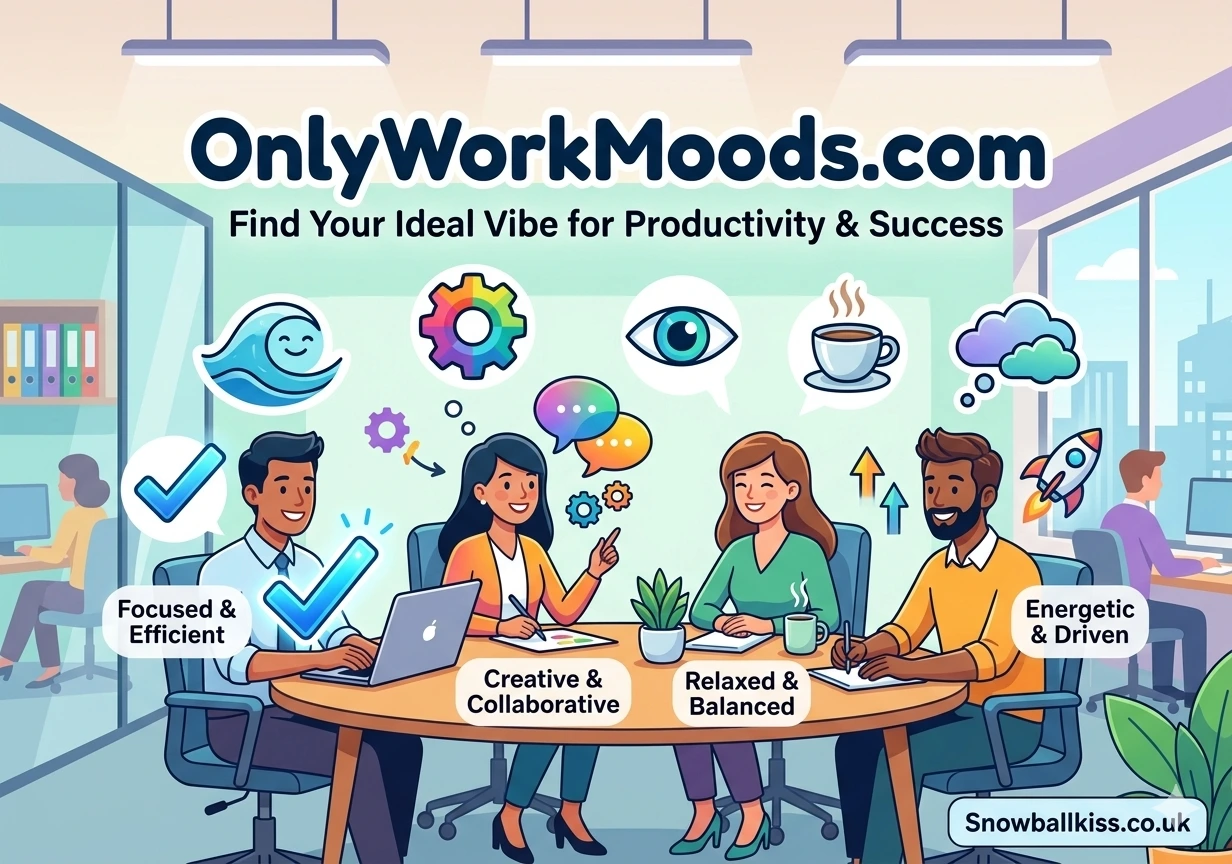
Work can bring many emotions in one day. One moment, you feel motivated and ready to finish every task. A few hours later, you may feel tired, distracted, or ready for another coffee break. OnlyWorkMoods com connects with that everyday work experience in a simple and relatable way. It reflects the funny, motivational, and emotional side of modern work life. Whether you work from home, sit in an office, study online, or manage a busy schedule, work moods affect how you feel, focus, and perform.
What Is OnlyWorkMoods com?
OnlyWorkMoods com can be understood as a modern work-related content idea centered on the emotional side of productivity. The name itself combines “work” and “moods,” which makes it easy to connect with office feelings, remote work habits, daily motivation, and workplace humor. Instead of treating productivity like a cold checklist, this concept looks at how people actually feel while working. That makes it more human, especially for readers who want simple content that matches real daily experiences.
Many people search for this term because it sounds relatable. Work is not only about tasks, meetings, deadlines, and emails. It also includes stress, focus, boredom, ambition, small wins, and funny moments. A platform or topic built around work moods can help readers feel understood. It can also give them light motivation without sounding too serious or difficult. This is why the idea fits well with today’s digital work culture.
Why Work Moods Matter in Daily Life
Your mood can shape the way you handle your workday. When you feel focused, positive, and calm, you often finish tasks faster and make better decisions. When you feel stressed or distracted, even simple work can feel heavy. This is why work moods matter for employees, students, business owners, and freelancers. A good mood does not solve every problem, but it can make your routine easier to manage.
Work Is Emotional, Not Just Professional
Many people pretend that emotions should stay outside the workplace. In reality, people bring their feelings to work every day. A long meeting, a full inbox, a kind message, or a difficult customer can quickly change someone’s mood. Recognizing these feelings can help people manage them better. When workers understand their mood patterns, they can choose better routines, take smarter breaks, and communicate more clearly with others.
Relatable Content Makes Work Feel Lighter
Funny and relatable work content can reduce pressure during a busy day. A simple joke about Monday mornings, endless emails, or coffee breaks can make people smile because it feels familiar. This type of content works because it does not ignore workplace stress. Instead, it turns common struggles into shared experiences. That connection helps readers feel less alone, especially when they are dealing with pressure, deadlines, or low motivation.
OnlyWorkMoods com and Modern Workplace Culture
OnlyWorkMoods com fits naturally into modern workplace culture because people now talk more openly about productivity, burnout, mental energy, and work-life balance. In the past, many workplaces focused only on results. Today, workers also care about how they feel while achieving those results. This shift has made mood-based work content more useful and interesting for a wide audience.
Remote work also changed how people experience work moods. A person working from home may feel comfortable, but they may also feel isolated or distracted. Office workers may enjoy teamwork but feel tired from meetings or commuting. Students and freelancers may struggle with discipline because they manage their own schedules. In all these situations, understanding mood can help people create better work habits.
Funny Work Moods Everyone Understands
Funny work moods are popular because they describe real feelings in a light way. Almost everyone knows the feeling of opening an email that should have been a quick message but turns into a full project. Many people also understand the “five more minutes” mood before starting a difficult task. These small moments make work humor powerful because it speaks to shared experiences.
The Monday Mood
Monday often brings a mix of fresh goals and slow energy. Some people feel ready to start the week strong, while others need extra time to adjust. This mood is relatable because it marks the shift from weekend comfort to weekday responsibility. A good Monday mindset can include planning your top tasks, starting with something simple, and avoiding unnecessary pressure early in the day.
The Deadline Mood
The deadline mood feels intense, focused, and sometimes stressful. It appears when time runs short and every minute matters. Some people work best under pressure, while others feel overwhelmed. The key is to turn pressure into structure. Breaking the task into smaller steps can make the deadline feel more manageable. Even a short checklist can help your mind move from panic to action.
The Coffee Break Mood
The coffee break mood is one of the most universal work moods. It represents a small reset during a busy day. For some people, coffee is about energy. For others, it is about routine, comfort, or a short pause from screens. This mood reminds us that breaks are not always a waste of time. A short break can improve focus and help you return to work with a clearer mind.
Motivational Work Moods for Better Productivity
Not every work mood is funny. Some moods push people to improve, stay disciplined, and reach goals. Motivation often comes in small waves, so people need simple reminders that help them keep going. OnlyWorkMoods com can connect with this need by focusing on practical, positive, and realistic motivation for everyday workers.
The “I Can Do This” Mood
This mood appears when you decide to stop overthinking and start working. It may come after reading an inspiring quote, organizing your desk, or completing a small task. The “I can do this” mood matters because it creates momentum. Once you finish one thing, the next task feels easier. Motivation does not always begin with big energy. Sometimes, it begins with one small action.
The Deep Focus Mood
The deep focus mood happens when distractions fade and your attention stays on one task. This mood can feel rare in a world full of notifications, messages, and multitasking. To create it, you can silence your phone, close extra tabs, and set a clear time block. Deep focus helps people produce better work because the mind does not keep switching between tasks.
The Growth Mood
The growth mood appears when you see work as a chance to improve. Instead of feeling stuck, you look for lessons in each task. This mood is useful for students, new employees, creators, and professionals building their skills. It helps people handle mistakes with patience. A growth mindset also makes feedback easier to accept because you see it as guidance, not personal criticism.
Also Read: Exploring Sagerne: The Untold Stories Behind This Fascinating Phenomenon
Relatable Work Moods for Remote Workers and Office Teams
Work moods look different depending on where people work. Remote workers may deal with loneliness, home distractions, or flexible schedules. Office teams may deal with meetings, shared spaces, and workplace communication. Both groups experience highs and lows. Relatable content can bring these experiences together and show that every work style has its own challenges.
Remote workers often enjoy freedom, but they need discipline. They may feel productive in the morning and distracted by afternoon. Office workers may enjoy team energy but feel drained by long conversations or back-to-back meetings. In both cases, mood awareness can improve the day. When people understand what affects their energy, they can plan tasks at better times and protect their focus more effectively.
How to Use Work Moods to Improve Your Routine
Work moods become more useful when you turn them into action. Instead of simply saying, “I feel tired,” ask what your mood is telling you. Maybe you need a break, a better plan, or a smaller first step. When you pay attention to your emotions, you can make smarter choices during the day.
Track Your Energy Patterns
You do not need a complex system to track your work mood. You can write a quick note in the morning, afternoon, and evening. Over time, you may notice patterns. Maybe you focus best before lunch. Maybe meetings drain your energy. Maybe creative tasks feel easier after a walk. These small observations can help you build a routine that works with your natural energy instead of fighting it.
Match Tasks With Your Mood
Not every task needs the same mental state. Creative work may need energy and openness. Detail-heavy work may need patience and focus. Simple admin tasks may fit low-energy moments. When you match tasks with your mood, you reduce friction. This does not mean you should avoid hard work. It means you can plan your day in a way that feels more realistic and productive.
Use Humor as a Reset
Humor can act as a quick emotional reset. A funny work meme, a light conversation, or a relatable post can help release tension. Of course, humor should not replace real rest or serious problem-solving. However, it can make a stressful day feel less heavy. When used in a healthy way, humor helps people reconnect with their energy and return to work with a better mindset.
Safety, Trust, and Smart Browsing
When people search for new websites or trending keywords, they should browse carefully. It is always smart to check whether a site has clear information, useful content, secure browsing, and transparent details. If a platform gives advice about work, productivity, finance, or health, readers should compare important claims with trusted sources before making decisions.
OnlyWorkMoods com is best approached as a work-related content idea or casual reading topic rather than a replacement for expert advice. Readers can enjoy motivational, funny, and relatable content, but they should stay careful with personal data and avoid sharing sensitive information on unfamiliar websites. Smart browsing helps users enjoy online content while protecting their privacy and time.
Also Read: Pulsamento Explained: Rhythm, Energy, Music, and Wellness
Who Can Benefit From Work Mood Content?
Work mood content can help many types of readers because almost everyone deals with motivation, stress, and focus. Employees can use it to feel understood during busy office days. Remote workers can use it to manage isolation and distractions. Students can use it to stay motivated while studying. Freelancers can use it to build discipline when no manager is watching.
Managers and team leaders can also learn from mood-based content. When leaders understand how mood affects performance, they can build healthier communication habits. They can reduce unnecessary pressure, support better routines, and create a more positive work culture. Even simple awareness can improve teamwork because people feel seen as humans, not just workers completing tasks.
FAQs
What is OnlyWorkMoods com about?
OnlyWorkMoods com is related to work moods, productivity, motivation, and relatable workplace experiences. People search for it to understand its meaning, purpose, and connection to modern work life.
Is it useful for office workers?
Yes, it can be useful for office workers who enjoy funny, motivational, and relatable content about daily work situations. It can also help them think about focus, stress, and routine.
Can students relate to work moods?
Yes. Students also deal with deadlines, focus problems, motivation, and pressure. Work mood content can help them understand their study habits and manage their energy better.
Is work mood content only for humor?
No. It can include humor, but it can also cover motivation, productivity, stress management, routine building, and emotional awareness at work.
How can I improve my work mood?
You can improve your work mood by taking short breaks, planning your tasks, reducing distractions, tracking your energy, and starting with one small action when motivation feels low.
Conclusion
OnlyWorkMoods com represents a relatable way to understand the emotional side of work. It connects humor, motivation, productivity, and real workplace feelings in a simple format that many readers can enjoy. Work moods affect how people focus, communicate, and complete tasks, so paying attention to them can improve daily routines. Whether you work in an office, study from home, or manage freelance projects, your mood matters. When you understand it better, you can work smarter, feel lighter, and build healthier habits.
You May Also See: Snowballkiss