
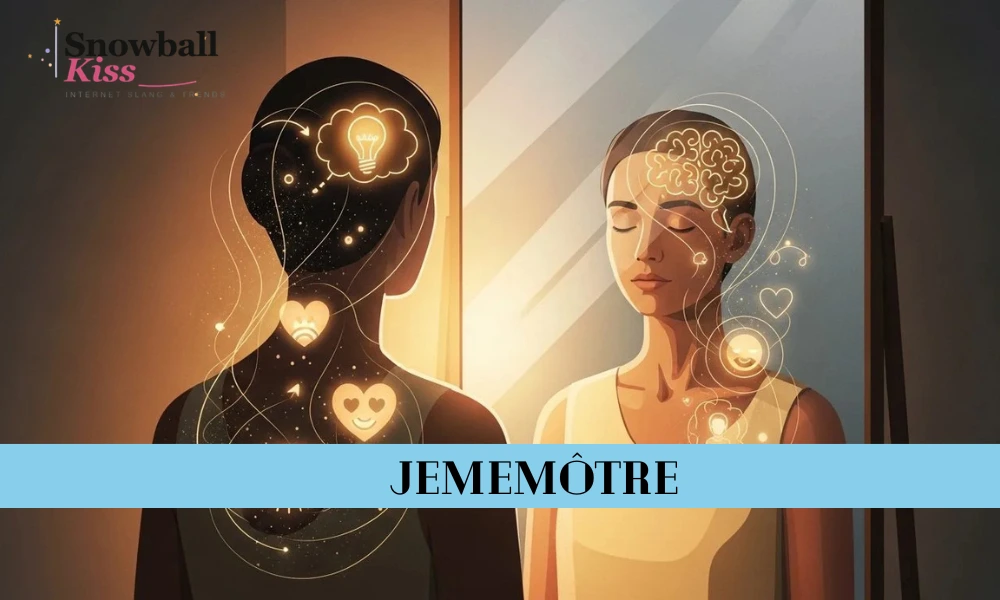
Jememôtre is a rising online term linked to the way people present themselves in digital spaces. It reflects a simple but powerful idea: people do not just exist online; they shape how others see them. From social media profiles to personal brands, users now think more carefully about identity, privacy, creativity, and authenticity. This trend matters because the internet has become a major part of modern life. As people share more of themselves online, they also ask deeper questions about who they are and what they want to show.
What Jememôtre Means in Digital Identity
Jememôtre works best as a symbolic term rather than a strict dictionary definition. It suggests the act of showing oneself with intention. In digital life, this can mean choosing a profile photo, writing a caption, sharing a personal story, or building a public image. People no longer post content randomly. Many users now think about how each post affects their reputation, relationships, and sense of self. This makes the term useful for understanding modern online behavior.
The idea also connects with the phrase “I show myself.” That meaning feels simple, but it carries emotional weight. Online, people reveal parts of their personality through images, words, comments, videos, and even silence. They decide what to share and what to hide. Because of that, digital identity becomes a mix of truth, design, memory, and personal choice. The trend highlights this balance in a way that feels current and easy to understand.
Why This Trend Feels Relevant Today
Digital identity has become part of everyday life. People use online profiles for work, dating, education, business, entertainment, and social connection. A person’s online image can influence how others judge their style, values, skills, and credibility. This creates pressure, but it also creates opportunity. Someone can use digital spaces to express creativity, build trust, and connect with people who share similar interests.
At the same time, many users feel tired of fake perfection online. They see polished feeds, filtered photos, and carefully edited lifestyles every day. As a result, more people want content that feels honest and personal. This trend speaks to that shift. It encourages people to think before they post, but not in a cold or robotic way. Instead, it supports thoughtful self-expression that feels human, balanced, and real.
Digital Identity, Self-Expression, and Personal Image
A digital identity includes more than a username or profile picture. It includes the tone people use, the topics they discuss, the communities they join, and the content they share. Over time, these choices create a public image. Some people build this image naturally, while others manage it with clear goals. Either way, online identity now plays a strong role in how people communicate and connect.
Jememôtre helps explain this process because it focuses on intentional visibility. People want others to see them, but they also want control over that visibility. For example, a creator may share personal struggles to build trust, while still keeping family details private. A professional may post career advice, but avoid political arguments. These choices show that identity online is not accidental. It is often shaped through careful decisions.
How People Use Jememôtre Online
People use this idea whenever they make choices about how they appear online. A student may build a LinkedIn profile that highlights ambition and skills. A small business owner may use Instagram to show values, personality, and behind-the-scenes work. A lifestyle creator may share daily routines to create emotional connection. In each case, the person uses digital tools to tell a story about who they are.
When people apply Jememôtre in a healthy way, they do not try to impress everyone. Instead, they focus on honest and useful expression. They ask questions such as: What does this post say about me? Does this content match my values? Am I sharing because I want connection, attention, or approval? These questions help users become more aware of their online habits and the image they create over time.
Benefits of Understanding the Digital Identity Trend
Understanding this trend can help people become more confident online. Instead of copying others, they can create a digital presence that feels personal and consistent. This matters for creators, students, job seekers, entrepreneurs, and everyday users. A clear online identity can make communication easier because people know what someone stands for. It also helps reduce confusion between private life and public image.
Another benefit is better self-awareness. When people think about how they present themselves, they often learn more about their values, interests, and boundaries. They may notice which platforms make them feel inspired and which ones create stress. They may also become more careful with personal information. This awareness can support healthier digital habits, stronger communication, and a more balanced relationship with social media.
Risks, Misunderstandings, and Privacy Concerns
Although the trend sounds positive, it also comes with risks. Some people may turn self-expression into constant performance. They may feel pressure to make every photo, opinion, or life update fit a perfect image. This can create stress and reduce authenticity. Online identity should not become a mask that hides real feelings or forces people to act like a brand every day.
Privacy also matters. Sharing personal stories can build connection, but oversharing can create problems later. Employers, strangers, brands, and platforms may view or store online content. A post that feels harmless today may affect someone’s reputation in the future. For that reason, users should think carefully before sharing sensitive details. A strong digital identity should protect personal boundaries, not weaken them.
Also Read: Turaska Guide: Meaning, Origin, Facts, and Importance
How Brands and Creators Can Apply the Idea
Brands and creators can learn a lot from this trend. Modern audiences often prefer voices that feel honest, clear, and human. A creator who shares values, process, and personality can build deeper trust than one who only posts polished content. A small brand can also stand out by showing real stories, customer care, and authentic purpose. This approach helps audiences feel connected instead of targeted.
However, brands should not fake vulnerability or use identity as a marketing trick. People can often sense when content feels forced. The best approach is to combine clarity with honesty. Creators should know their message, respect their audience, and keep their communication consistent. Brands should also avoid making exaggerated claims. A thoughtful digital identity works because it feels believable, not because it looks perfect.
The Future of Online Self-Presentation
Online identity will likely become even more important as digital tools grow. Artificial intelligence, virtual spaces, short-form video, and personal branding platforms already influence how people present themselves. Users now have more ways to shape their image, but they also face more pressure to stand out. This makes intentional self-presentation more valuable than ever.
In the future, people may focus less on perfect images and more on meaningful identity. They may want digital spaces that support honesty, privacy, creativity, and emotional connection. This shift could change how users post, how brands communicate, and how communities form online. The main lesson is clear: digital presence should reflect a person’s real values, not just their desire for attention.
FAQs
What does Jememôtre mean?
It means intentional self-presentation in digital spaces. People use it to describe how someone shows identity, personality, and values online.
Is Jememôtre a real French word?
It appears to be French-inspired, but it is not widely recognized as a formal French dictionary word. People mostly use it as a modern online concept.
Why is digital identity important?
Digital identity matters because people use online profiles for work, business, relationships, learning, and communication. A strong identity can build trust and clarity.
Can this idea help personal branding?
Yes. It can help people create a more thoughtful and authentic public image without copying others or forcing a fake personality.
How can someone practice it safely?
A person can practice it safely by sharing with purpose, protecting private details, setting boundaries, and reviewing old posts regularly.
Conclusion
Jememôtre gives people a useful way to think about identity in the digital age. It reminds users that online presence is not just about posting content; it is about choosing what to reveal, how to communicate, and where to set boundaries. The trend connects with self-expression, privacy, creativity, and personal branding in a simple but meaningful way. As digital life keeps growing, people who understand their online identity can build stronger, safer, and more authentic connections.
You May Also See: Snowballkiss